
Swertia alata
Swertia alata
Description
Growing requirements
Swertia alata is a perennial herbaceous plant belonging to the Gentianaceae family. Native to the Himalayan ranges, this species is well-adapted to high-altitude environments characterized by cool temperatures and significant humidity levels.
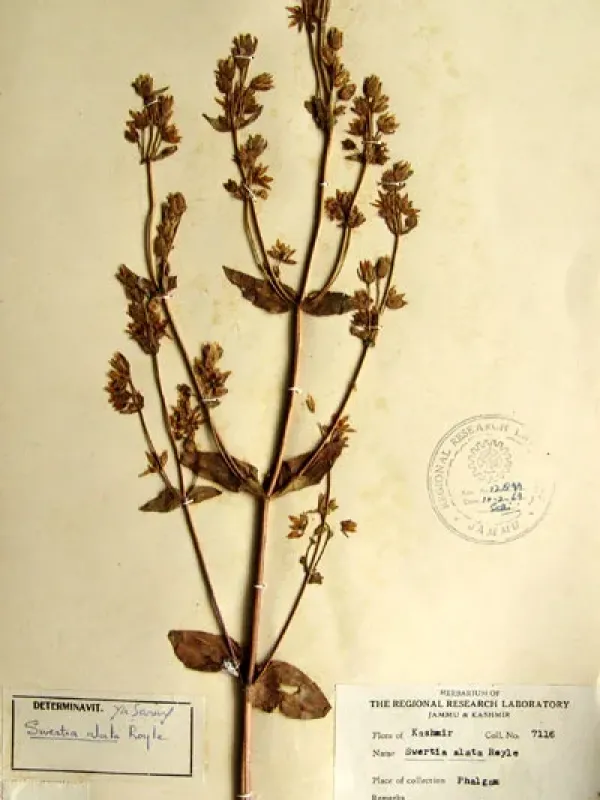
Botanically, it is recognized by its distinct winged stems and lanceolate leaves arranged in opposite pairs. The flowers, which grow in branched inflorescences, display intricate patterns that serve as a hallmark of this genus within the botanical community.
Optimal growth conditions require moderate temperatures, typically between 15°C and 22°C. The plant thrives in environments that mimic its natural mountain habitat, avoiding extreme heat and intense direct sunlight which can scorch the foliage.
Soil requirements include a high organic matter content and excellent drainage properties. A slightly acidic to neutral pH level is ideal to ensure the proper uptake of essential nutrients throughout the growing season.
Agricultural management requires careful attention to irrigation to maintain high air and soil moisture without causing waterlogging. Ensuring good aeration is vital for the health of the root system and overall development of the plant.
Main diseases and pests
Common threats to the crop include fungal infections such as root rot and stem decay, often resulting from poor drainage or excessive humidity. Implementing a strict irrigation schedule is the primary defense mechanism.
Pests like aphids and spider mites can severely impact the quality of the plants, particularly in greenhouse settings. Regular scouting and biological pest control are recommended to protect the medicinal integrity of the harvest.
Viral infections can also pose a significant risk, spreading through insect vectors. Maintaining spatial isolation from wild relatives and implementing effective weed control programs are essential strategies for prevention.
Proper hygiene during pruning and harvesting processes is necessary to prevent the spread of pathogens between plants. Ensuring that the site has sufficient ventilation helps significantly in reducing the incidence of fungal diseases.
The economic value of Swertia alata lies in its rich profile of bioactive compounds, such as xanthones and iridoid glycosides. These substances are widely studied for their hepatoprotective and digestive benefits in clinical applications.