
Swertia
Swertia L.
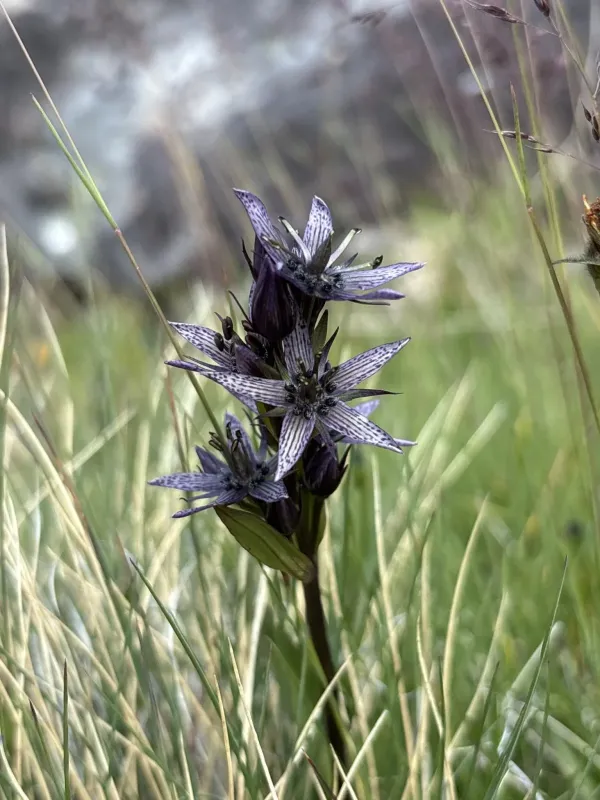
Description
Sowing dates
Swertia is a diverse genus ranging from annuals to perennials, and sowing schedules must be tailored to the specific species and regional climate. In temperate zones, late autumn sowing is often preferred to allow for natural seed stratification over winter.
Spring sowing requires careful seed preparation, as Swertia seeds often exhibit dormancy. A cold stratification period of 4 to 6 weeks is highly recommended to improve germination rates and uniformity in seedlings.
Indoor propagation in nursery trays is an effective way to control the environment for the first few weeks. Seeds should be sown in early spring, keeping the substrate consistently moist but not waterlogged.
Because the seeds are tiny, they should be surface-sown or barely covered with a light layer of soil or vermiculite. Firming the seeds into the soil ensures better moisture absorption, which is vital for the germination of such small seeds.
The spacing for transplanting should be carefully planned to accommodate the growth of the basal rosette. Row spacing of 30 to 45 cm is generally sufficient, allowing for weed control and adequate air circulation.
Growing requirements
Swertia belongs to the Gentianaceae family and generally thrives in cool, alpine, or sub-alpine habitats. Successful cultivation depends on mimicking these natural conditions, which are characterized by moderate temperatures and consistent moisture.
The crop requires well-drained, porous soil rich in organic matter. Avoid heavy clay soils that retain excess water, as the roots are highly susceptible to rot if they remain in saturated conditions for prolonged periods.
Soil pH should ideally range from slightly acidic to neutral. In professional production, soil testing is essential to ensure that nutrient levels are adequate without introducing excessive nitrogen, which can reduce the concentration of active medicinal compounds.
While the plants appreciate sunlight, they often struggle with extreme heat. In regions with scorching summers, providing light shade is necessary to prevent the leaves from drying out and the plants from experiencing metabolic stress.
Humidity and air movement are key factors in maintaining healthy Swertia stands. The plants prefer sites where cool air can circulate, preventing the buildup of heat and moisture that fosters pathogen growth.
Yield
The yield of Swertia is primarily measured by the total biomass of the aerial parts (the herb). The harvest is typically executed when the plant is in full bloom, which is when the concentration of key secondary metabolites is at its peak.
Yield varies significantly between species and age of the plants. Second-year plants generally produce a much higher volume of raw material compared to first-year plants, which focus their energy on developing root systems and basal rosettes.
Intensive care, such as consistent weed management and optimal moisture supply, helps maintain stable yields. However, producers must balance biomass production with the quality standards required by the pharmaceutical industry.
Drying is a critical post-harvest process. For optimal quality, the harvested material should be dried in well-ventilated, shaded facilities at temperatures below 45 degrees Celsius to preserve the delicate active ingredients.
Market demand for Swertia products, particularly in traditional medicine, makes this crop a viable option for specialized herb farmers who can ensure high-quality, clean, and properly dried raw material.
Main diseases and pests
Fungal pathogens are the primary threat to Swertia cultivation, particularly root and crown rots. These diseases are often the result of poor drainage or high humidity combined with insufficient air circulation around the plants.
Pests such as aphids and spider mites can infest the crop, especially in dry weather. They weaken the plants by extracting sap, which directly impacts the plant's overall health and the accumulation of medicinal compounds.
Slugs and snails can cause significant damage to young plants, often destroying entire patches overnight. Integrated pest management, including physical barriers and regular field monitoring, is crucial for survival during the seedling stage.
Weed management is vital during the early growth phases, as Swertia is not a strong competitor. Excessive weed pressure can shade out young seedlings and deprive them of necessary nutrients and water.
Preventative measures like crop rotation and maintaining clean field borders help reduce the risk of disease outbreaks. Chemical treatments should be avoided to maintain the purity and marketability of the medicinal raw material.
Harvesting
Harvesting usually takes place during the full flowering stage. The timing is critical because the chemical profile of the plant is dynamic, and the specific active ingredients required for pharmacology are most abundant during this period.
Using sharp tools to cut the aerial stems ensures a clean wound, which helps the plant heal faster and reduces the chance of infection. Care should be taken not to damage the crown of the plant for multi-year crops.
Once harvested, the plant material should be moved quickly out of direct sunlight. Ultraviolet rays can degrade some of the active chemical components and fade the pigment of the dried leaves.
Transporting the material requires care to avoid overheating. If the green mass is piled too tightly during transport, it may undergo fermentation, leading to a rapid decline in quality and potential spoilage.
The final stage of the harvest is sorting and cleaning. Any foreign debris, soil, or discolored material must be removed to meet quality standards before the final drying process in specialized trays or drying tunnels.