
Schenkia elegans
Schenkia elegans
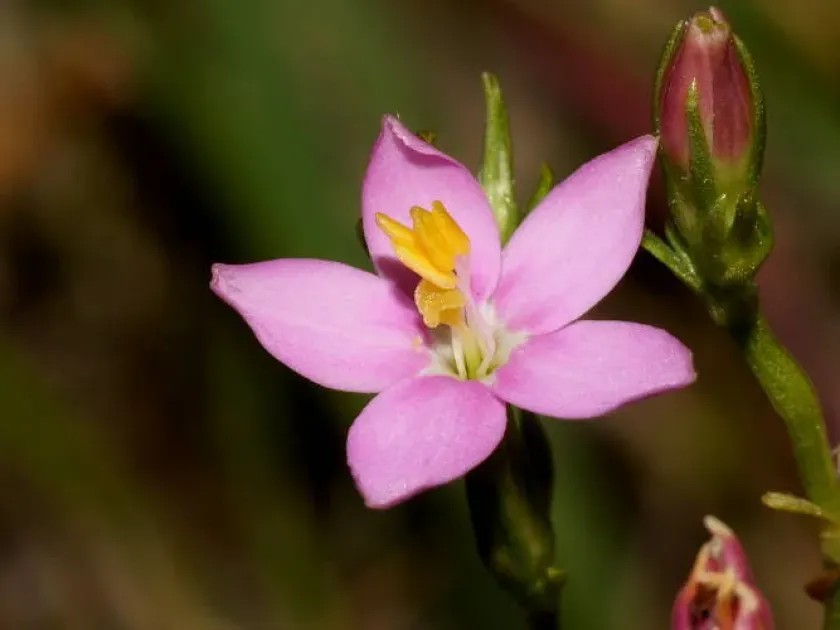
Description
Sowing dates
Schenkia elegans, commonly known as a species of centaury, belongs to the Gentianaceae family. This annual herb is naturally adapted to moist, saline-affected soils, typically found in maritime meadows and wetlands.
Sowing should ideally occur in early spring once the soil temperature is sufficiently warm. Because the seeds are exceptionally small, they require surface sowing with only minimal pressure to ensure optimal contact with the growing medium.
This plant thrives in full sun, as light is a critical factor for both germination and the subsequent synthesis of its active compounds. Shaded areas should be avoided as they significantly stunt growth and reduce yields.
Adequate moisture is vital during the germination phase. Seeds typically sprout within two to three weeks if the soil is kept consistently damp but not waterlogged, requiring careful management in the initial stages.
Thinning is necessary once the seedlings establish their first true leaves to prevent overcrowding. Proper spacing of 15-20 cm promotes airflow and reduces the risk of fungal outbreaks within the crop canopy.
Growing requirements
The soil requirements for Schenkia elegans are specific: it prefers moist, well-draining soils and exhibits a remarkable tolerance to slightly saline conditions. Drainage is essential to prevent root rot in wetter climates.
The optimal pH range for this crop is neutral to slightly alkaline. In areas with acidic soil, the application of lime is a standard requirement to ensure the plant can successfully uptake necessary nutrients for development.
Climate considerations include a need for high solar exposure and protection from harsh, drying winds. During hot, dry spells, supplementary irrigation is required as the plant has a relatively shallow root system.
Fertilization should be managed carefully; excessive nitrogen can lead to rapid, leggy growth that lacks the density of secondary metabolites needed for medical quality. Balanced organic or mineral fertilizers are preferred.
Regular weeding is a mandatory part of the cultivation process, as this species is not a strong competitor against fast-growing weeds. Maintaining clean inter-rows is necessary to maximize nutrient availability.
Yield
Yield is measured by the total dried biomass collected for pharmacological use. Success depends on the timing of the harvest, which must coincide with the full flowering stage when the concentration of iridoids is at its peak.
The drying process is a critical determinant of final product quality. Stems must be dried in well-ventilated, shaded environments at temperatures below 45 degrees Celsius to preserve the chemical integrity of the active ingredients.
This plant is primarily valued for its bitter compounds, which are utilized in the manufacturing of digestive health supplements and herbal tinctures. Its botanical uniqueness makes it a niche but valuable crop.
Economic viability is tied to achieving high-purity harvests that meet pharmacopeia standards. Specialized harvesting equipment is usually not required due to the plant's delicate size, making it suitable for smaller plots.
Consistent product quality ensures high demand from natural medicine manufacturers. Proper post-harvest storage in moisture-controlled containers helps maintain the efficacy of the dried botanical material over time.
Main diseases and pests
Common threats to this crop include fungal infections, particularly root rot and powdery mildew, which thrive in stagnant, humid conditions. Effective management requires constant monitoring and climate control.
Pests such as aphids and leaf-eating beetles can cause significant damage to the biomass. In dry, hot conditions, spider mites may become an issue, requiring localized treatment to protect the crop yield.
Integrated Pest Management (IPM) is strongly recommended over chemical intervention. Biological controls and crop rotation strategies help keep pest levels below economic injury thresholds without contaminating the herb.
Sanitation practices, such as the prompt removal of infected plant debris, are essential to stop the spread of disease within the plot. Keeping the growing area free of debris reduces potential host sites for pathogens.
Regular field scouting is essential for proactive management. Early detection of stress factors, such as leaf discoloration or wilting, allows for immediate action before the entire crop is compromised.