
Neurotheca
Neurotheca
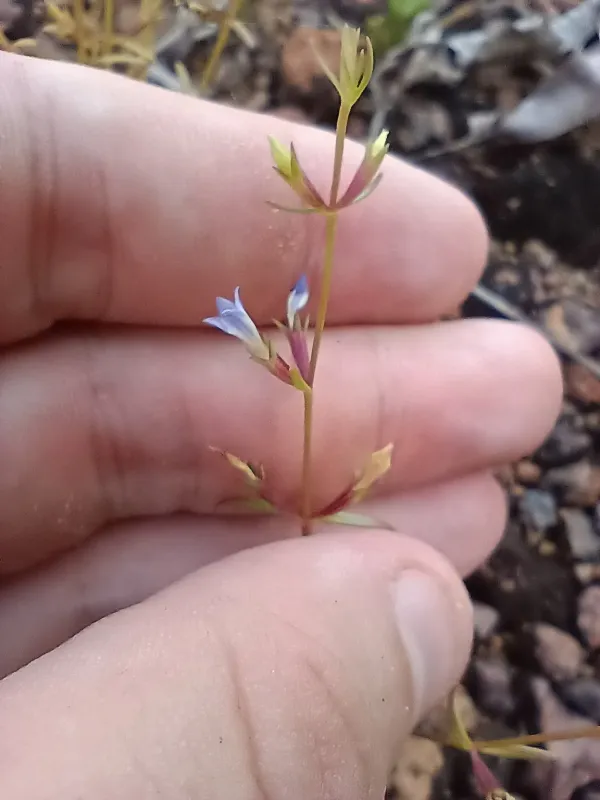
Description
Growing requirements
Neurotheca is a genus of annual herbaceous plants classified within the Melastomataceae family. Unlike many other members of this family, which can be ornamental, species of Neurotheca are primarily wild plants found in specific tropical regions, maintaining a niche existence within their native ecosystems.
The geographical distribution of Neurotheca is primarily restricted to tropical Africa and Madagascar. These plants have evolved to thrive in wetland environments, including swampy savannas and seasonal floodplains where water availability is consistent throughout the growing period, supporting their unique physiological needs.
Botanically, plants in the Neurotheca genus exhibit the characteristic features of the Melastomataceae family, such as opposite leaves with prominent acrodromous venation. The plants are relatively small and delicate, producing subtle flowers adapted for pollination by insects endemic to tropical marshlands.
The ecological requirements for Neurotheca are stringent, necessitating saturated soil conditions and high humidity. These plants are highly susceptible to desiccation, which serves as a limiting factor in their spatial distribution, effectively binding them to riparian zones and areas with significant water retention capacity.
From an agricultural standpoint, Neurotheca is not classified as a commercial crop. Its value remains strictly scientific and ecological, contributing to the rich biodiversity of tropical wetlands. Research into these plants helps scientists understand the resilience of wetland-adapted vegetation in the face of changing hydrological conditions.