
Spring gentian
Gentiana verna
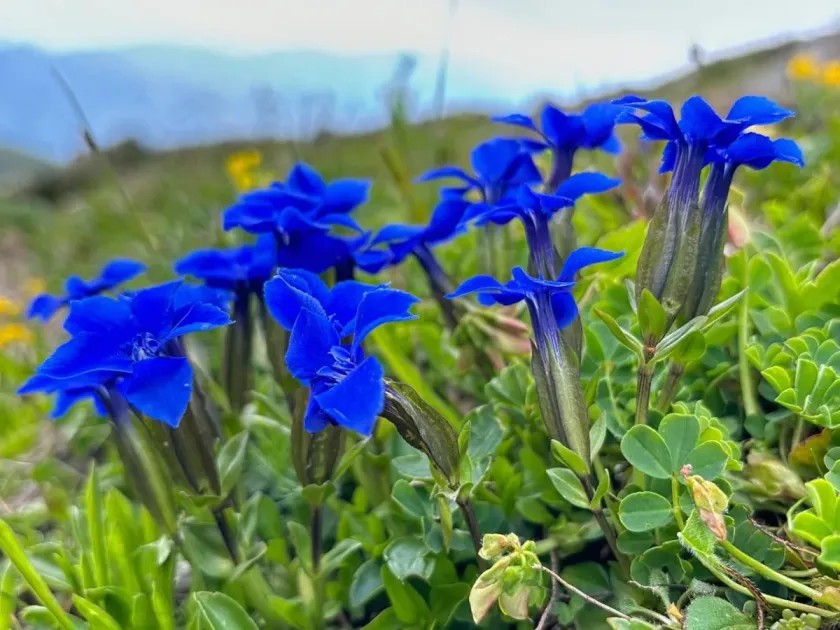
Description
Sowing dates
Sowing seeds of the spring gentian is primarily carried out in late autumn directly into the open ground or in containers to allow for essential cold stratification. The seeds of this species have low viability when stored, so it is recommended to use only fresh seed material.
For successful germination, the seeds require exposure to low temperatures for a period of one to two months. In temperate climates, sowing in trays is performed in October or November, keeping them in an unheated room or buried in the garden soil.
When sowing in the spring, the seeds require artificial stratification in a refrigerator. This is a critical stage of the cultivation process, as without it, uniform germination is almost impossible due to the deep dormancy of the seeds.
The sowing depth should be minimal, as the seeds require light to germinate. The surface of the substrate should only be lightly dusted with fine sand or vermiculite to maintain moisture levels during the germination phase.
Seedlings should be pricked out with extreme care to avoid damaging the taproot. It is better to grow young plants in pots until they are ready for transplanting to their permanent location, ensuring consistent watering.
Growing requirements
The spring gentian is a low-growing perennial plant of the Gentianaceae family, found naturally in the alpine meadows of Europe and Asia. It prefers open, sunny locations, although light partial shading is acceptable in southern regions.
This culture has high requirements for soil composition: it needs loose, well-draining, yet nutrient-rich substrates with a neutral or slightly alkaline reaction. Water stagnation is fatal to the root system.
The optimal temperature for this gentian is a moderately cool summer. The plant does not tolerate extreme heat and dry air, so it requires regular soil moisture during dry periods.
Cultivation practices include mulching the soil surface with gravel or fine crushed stone. This helps keep the root zone cool and prevents direct contact between the lower leaves and moist soil.
In its natural habitat, the species has adapted to poor, rocky soils; therefore, an excess of mineral fertilizers can harm the plant's development, promoting excessive vegetative growth at the expense of flowering.
Main diseases and pests
Fungal diseases are the primary threat to the spring gentian, often developing due to waterlogging and poor air circulation. Specifically, gray mold and various leaf spot diseases are common concerns.
To prevent the development of root rots, it is necessary to ensure excellent drainage at the site. At the first signs of damage, treatment with systemic fungicides approved for decorative crops should be applied.
Among pests, slugs and snails cause the most damage by feeding on delicate leaf blades and flower buds at the beginning of the growing season.
Aphid infestations are also possible, as they suck sap from young flower stalks. Insecticides with contact or systemic action are used to control the insects, depending on the severity of the infestation.
Preventive measures include timely removal of weeds and dead plant parts, as well as monitoring substrate moisture levels, which significantly reduces the risk of pest and pathogen outbreaks.