
Thunberg's Gentian
Gentiana thunbergii
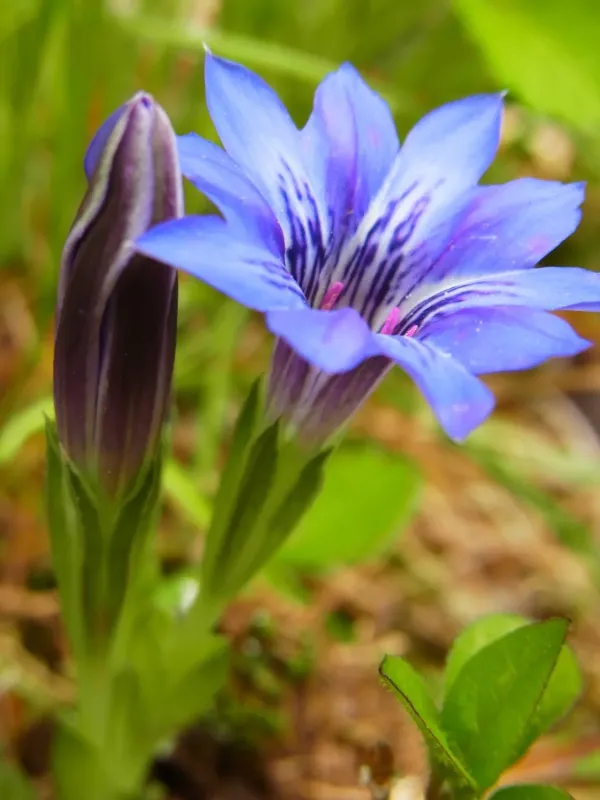
Description
Growing requirements
Thunberg's Gentian (Gentiana thunbergii) is an annual herbaceous plant belonging to the Gentianaceae family. Native to East Asia, including Japan and Korea, this plant naturally thrives in moist meadows and along mountainous slopes where the climate remains cool and stable.
Cultivation of this species requires meticulous attention to environmental conditions. It demands a cool, shaded environment as it is highly sensitive to excessive soil heat and direct, intense sunlight which can scorch its delicate foliage.
The ideal growing medium should be a well-draining, slightly acidic soil mixture. In container gardening, it is essential to provide a porous substrate that prevents waterlogging, as the root system is highly susceptible to rot if stagnant water is present.
Agronomic management focuses on mimicking alpine conditions. Consistent soil moisture is necessary for healthy growth, but it must be balanced with adequate airflow. Because the plant completes its life cycle in a single year, precise timing of planting is crucial for successful development.
While not a major commercial agricultural crop, Thunberg's Gentian holds significant value in the botanical and horticultural sectors. It is primarily utilized by specialized plant collectors and botanical institutions interested in preserving rare alpine flora.
Main diseases and pests
The primary threat to the vitality of Thunberg's Gentian is the onset of fungal infections, particularly root rot, which typically occurs when soil aeration is insufficient. High humidity combined with poor drainage creates an ideal breeding ground for these pathogens.
Pests such as slugs and snails represent a constant danger to the plant, especially during the seedling and vegetative stages. These pests can rapidly defoliate the plant, leading to stunted growth or total mortality if not managed promptly.
Indoor or greenhouse environments may introduce issues with spider mites, which flourish if the surrounding air becomes too dry. Monitoring leaf surfaces regularly is a key practice for early detection and mitigation of these infestations.
To minimize the risk of diseases, it is highly recommended to use sterile growing media and avoid overhead watering, which keeps the foliage wet and invites fungal issues. Mulching with inorganic material, such as fine grit, helps protect the base of the plant.
Sustainable pest management should prioritize biological controls and mechanical barriers, such as copper tape or traps, rather than relying on harsh chemical pesticides, which can be toxic to sensitive alpine plants and affect their overall performance.