
Gentiana szechenyii
Gentiana szechenyii
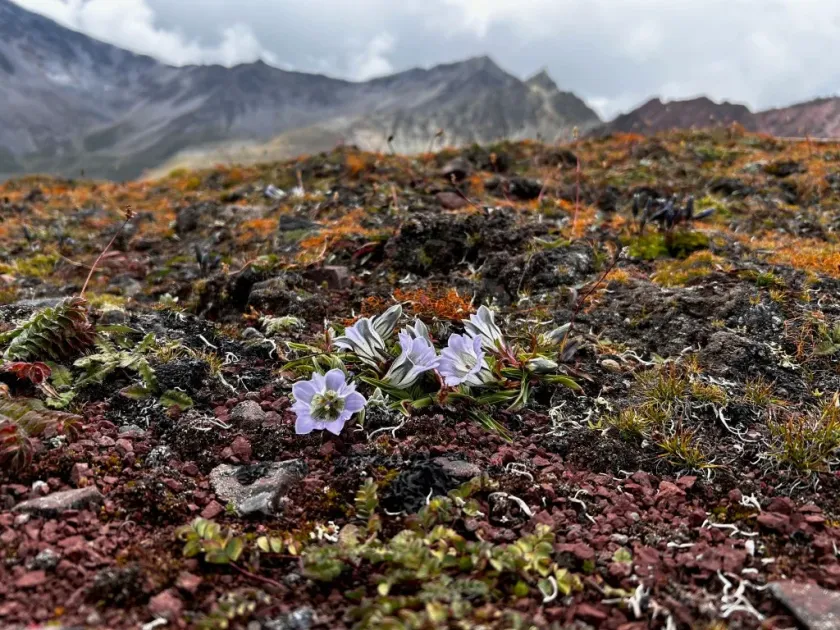
Description
Sowing dates
Sowing Gentiana szechenyii seeds requires a mandatory stratification period to break dormancy. Without exposure to cold temperatures, the seeds will not germinate effectively, so outdoor sowing in late autumn is highly recommended for best results.
For indoor cultivation, place the seed trays in a refrigerator at temperatures between 0 and 4 degrees Celsius for approximately three months. This artificial winter period is essential to mimic the plant's natural high-altitude habitat cycles.
After stratification, move the containers to a bright location with a moderate temperature range. Seeds usually germinate unevenly, so patience is required during this phase to avoid discarding potential seedlings too early.
The growing medium must be highly porous, consisting of a mix of sand, grit, and acidic peat. Surface sowing is preferred, with a light dusting of vermiculite to keep the seeds in contact with the moisture without burying them too deeply.
Seedlings grow slowly and are sensitive to root disturbance. It is advisable to use individual small pots or cell trays to avoid the need for pricking out, allowing the root system to develop undisturbed until the plant is ready for transplanting.
Growing requirements
Gentiana szechenyii is a member of the Gentianaceae family, known for its compact growth and vibrant flowers. Being an alpine native, it thrives in environments that offer cool temperatures and excellent drainage, mirroring its wild habitat.
The ideal soil profile is gritty, slightly acidic, and lean in nutrients. Heavy clay soils or those rich in manure are unsuitable, as they hold too much moisture and cause root rot, which is the leading cause of plant mortality for this species.
This plant demands plenty of light to remain compact and to bloom effectively. However, in low-latitude or hot-climate regions, partial shade during the hottest part of the day is necessary to protect the foliage from scorching.
Watering should be done with care, ensuring the soil remains slightly moist but never saturated. Using soft, neutral-to-acidic water is preferred, as high calcium content in tap water can alter the soil pH over time and negatively affect growth.
Good air circulation is vital for Gentiana szechenyii, particularly during humid weather. Avoid planting it in deep depressions where stagnant air can collect, as this environment encourages fungal pathogens and leaf diseases.
Main diseases and pests
Fungal diseases like grey mould (Botrytis) represent the most significant threat during periods of high humidity. Preventive measures include ensuring proper drainage and keeping the crown of the plant dry by applying a layer of small stones.
Root rot, caused by various soil-borne pathogens like Phytophthora, can destroy the plant rapidly if water management is improper. If the leaves begin to yellow and the base of the stem softens, it is a clear sign that the drainage system has failed.
Slugs and snails are notorious for feeding on tender foliage, especially in wet spring conditions. Using gravel mulch around the plants creates a rough surface that these pests find difficult to cross, providing a natural form of protection.
Aphids might occasionally colonize the tips of the shoots, causing deformation of the young buds. Regular inspection and the use of insecticidal soap are typically sufficient to manage these infestations without harming the plant.
Viral infections, although less common, can lead to stunted growth and mottled leaves. Because there is no chemical cure for these diseases, infected plants should be promptly removed and discarded to prevent the spread to healthy neighboring specimens.