
Gentiana siphonantha
Gentiana siphonantha
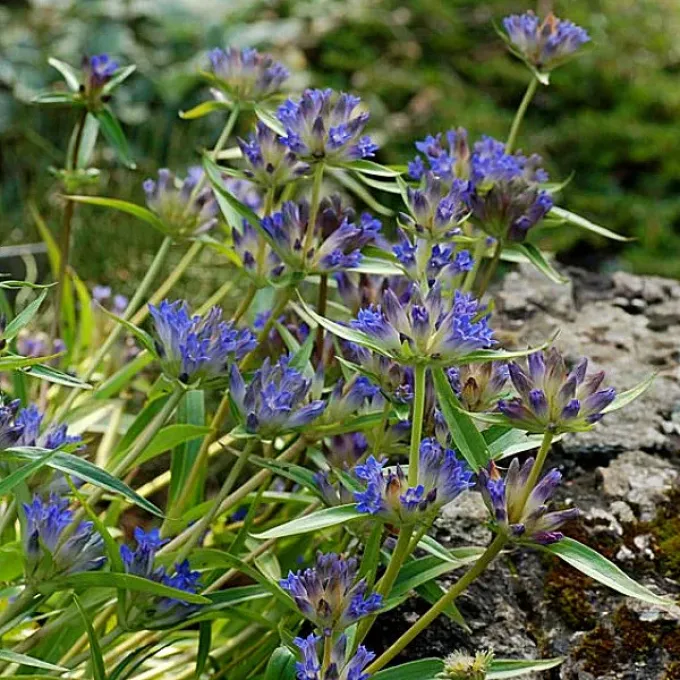
Description
Sowing dates
Sowing Gentiana siphonantha is best performed in late autumn to allow the seeds to undergo natural stratification. Exposure to cold winter temperatures is essential for breaking seed dormancy and ensuring uniform germination in spring.
For spring sowing, seeds must be artificially stratified by keeping them in a refrigerator at 2–4°C for at least 8 to 12 weeks. Proper stratification significantly increases the germination rate compared to non-treated seeds.
The seeds are minute and should be surface-sown on a fine, moist substrate. Do not cover them with a thick layer of soil, as light is often required or beneficial for successful germination.
Seedlings develop slowly during the first season and require constant attention regarding moisture levels. Providing a light shade cover helps protect tender shoots from drying out before they establish a deeper root system.
Vegetative propagation via division is an alternative for commercial growers. Dividing mature clumps in spring allows for faster establishment and more uniform crop growth compared to seed propagation.
Growing requirements
As a member of the Gentianaceae family, this species thrives in cool, moist, and well-drained environments. It prefers sunny locations but requires protection from scorching afternoon heat in warmer temperate zones.
The ideal soil is rich in organic matter, slightly acidic to neutral, and consistently moist. It is highly intolerant of limestone-based alkaline soils, which often induce chlorosis and stunted growth.
The plant exhibits excellent cold hardiness, making it suitable for high-altitude or northern climate zones. During winter, a light mulch layer can protect the crown from temperature fluctuations in snowless areas.
Consistent irrigation is vital, as the plant does not tolerate extended drought periods. However, ensuring excellent drainage is equally important to prevent root suffocation, which often leads to rapid plant decay.
Balanced fertilization during the early growing season supports vigorous foliage development. Over-fertilization should be avoided to prevent excessive succulent growth that may attract pests or increase disease susceptibility.
Main diseases and pests
Slugs and snails are the primary pests affecting young growth, especially in damp, shaded corners of the field. Using protective barriers or eco-friendly bait is standard practice in managing these populations.
Gray mold (Botrytis) can become a significant issue during periods of high humidity and poor air circulation. Removing infected plant parts and improving spacing are key steps to controlling the spread.
Aphids and thrips may colonize the flower buds, causing deformation and reducing the overall quality of the crop. Targeted applications of insecticidal soaps or systemic pesticides are used when infestation levels cross the threshold.
Root rot, typically caused by Pythium or Phytophthora species, is often linked to poor drainage. Ensuring the substrate remains aerated and is not waterlogged is the best preventive measure against soil-borne pathogens.
Nematode infestations can lead to stunted development and yellowing foliage. Implementing crop rotation and using certified, disease-free nursery stock are the most effective strategies for maintaining field health.