
Gentiana punctata
Gentiana punctata
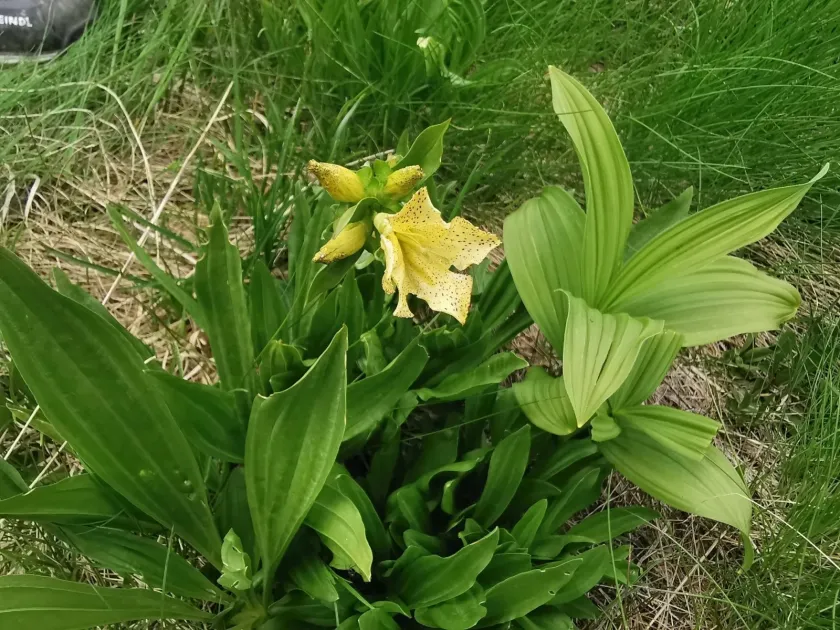
Description
Sowing dates
Gentiana punctata, commonly known as spotted gentian, requires specific sowing techniques due to its small, dormant seeds. The most reliable method is autumn sowing directly into prepared soil to allow for natural cold stratification during winter.
If spring sowing is planned, seeds must undergo cold stratification in a refrigerator at 1–4 degrees Celsius for at least two to three months. Without this, germination rates remain extremely low.
Seeds should be sown superficially, as they need light to germinate. Press them gently into the substrate without covering them with soil, or use only a very thin layer of fine sand.
The seedling stage is the most critical time for this crop. Young plants develop slowly and are highly sensitive to weed competition; therefore, the planting area must be kept perfectly clean during the first year.
Propagation is primarily through seeds, though rhizome division is possible for smaller batches. When dividing, ensure each piece has at least one dormant bud to guarantee successful regrowth.
Growing requirements
As an alpine species, Gentiana punctata thrives in cool, humid climates. It requires a location with good air circulation and protection from extreme summer heat, which can stress the plants.
Soil quality is paramount for success. The plant prefers slightly acidic to neutral, humus-rich, and well-draining soils. Heavy, waterlogged clay soils are unsuitable and will likely cause root rot.
Light requirements are moderate. While the plants are heliophilic, they benefit from partial shade in regions with hot, intense sunlight to prevent leaf scorch and soil overheating.
Constant, moderate moisture is necessary, but the soil must never remain saturated. An excellent drainage layer, such as sand or fine gravel, should be incorporated into the planting medium.
Due to its mountain origin, the spotted gentian is highly winter-hardy. It does not require artificial winter protection, even in regions with significant temperature drops and snow cover.
Yield
The economic focus of Gentiana punctata is its root, which is harvested for its bitter compounds used in pharmaceutical and tonic production. Maturity for harvest is generally reached between four and six years.
Yield varies significantly based on environmental conditions and soil fertility. Under optimal agricultural management, dry root yields can range from 1.5 to 2.5 tonnes per hectare.
Bioactive substance concentration peaks during the flowering stage. Consequently, field management must focus on maintaining plant health until this critical phenological phase is achieved.
Because it is a long-term crop, profitability relies on stable conditions and minimizing plant loss over the multi-year cycle. It is not suitable for rapid, short-term commercial rotation.
Sustainable cultivation requires careful soil maintenance to ensure the roots remain healthy and free from diseases that could degrade the quality of the raw medicinal material.
Main diseases and pests
Fungal diseases are the primary threats to spotted gentian, particularly gray mold and leaf spots, which thrive in high-humidity conditions with poor ventilation.
Slugs and snails can decimate young plantings in spring. Integrated pest management, including regular monitoring and the use of physical barriers, is essential to protect the tender foliage.
Root-feeding larvae, such as wireworms and chafer grubs, pose a risk to the rhizomes. These pests can significantly reduce plant vigor and create entry points for soil-borne pathogens.
Powdery mildew may occur if the planting density is too high or if air circulation is inadequate. Thinning the crop and maintaining proper spacing are effective preventative measures.
General crop protection should focus on hygiene: removing infected leaves promptly, maintaining clean alleys, and avoiding overhead irrigation that leaves the foliage wet for extended periods.
Harvesting
Harvesting should only occur after the plants have reached at least four years of age. Premature harvesting will result in poor yield and low concentrations of active compounds.
The best time for harvest is autumn, when the aerial parts of the plant wither. During this dormant season, the roots contain the highest concentration of the desired medicinal alkaloids.
Roots should be carefully excavated, washed thoroughly to remove all soil debris, and sliced into smaller segments to facilitate even and rapid drying.
Drying must be conducted in clean, well-ventilated spaces or industrial dehydrators at temperatures below 50 degrees Celsius to prevent the degradation of heat-sensitive compounds.
Store the dried roots in dark, moisture-free conditions in breathable bags. Properly cured and stored, the medicinal quality of the harvest will remain stable for an extended period.