
Prostrate gentian
Gentiana prostrata
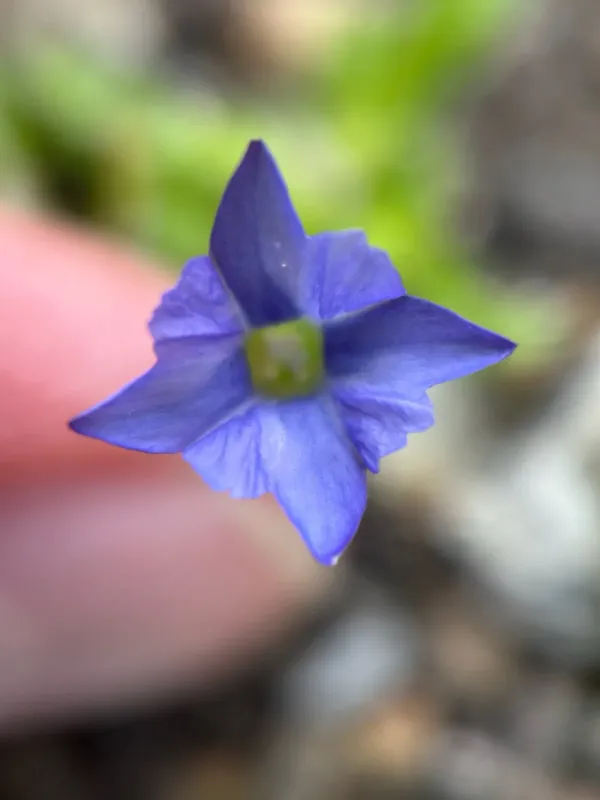
Description
Growing requirements
The Prostrate gentian (Gentiana prostrata) is a small annual herbaceous plant belonging to the Gentianaceae family. It is specialized to survive in the harsh, unpredictable conditions of high-altitude alpine zones.
Its natural range includes circumpolar arctic and alpine regions across Eurasia and North America. The species is typically found in rock crevices, tundra meadows, and alongside alpine streams where competition is minimal.
Climatic requirements are specific to high-elevation zones, demanding cool ambient temperatures and high air humidity. The species relies on a short but intense growing season characteristic of mountain altitudes.
Regarding soil conditions, it requires well-drained, rocky or sandy substrates that are slightly acidic to neutral. High levels of soil organic matter can lead to plant decline due to moisture retention.
The species holds significance primarily in botanical research and ecological restoration projects. Its ability to colonize unstable scree slopes makes it a crucial part of the alpine primary succession process.
Main diseases and pests
Pathogenic fungi represent the primary threat to the Prostrate gentian, particularly those that thrive in waterlogged soil conditions. Root rot can manifest quickly if the drainage system fails to function properly.
Insect pests such as thrips and various caterpillars can inflict significant damage on the foliage during the peak growing season, potentially reducing seed yield in sensitive populations.
Competition from invasive alpine grasses and mosses poses a significant threat to established populations, as the Prostrate gentian has low competitive vigor and is easily overshadowed.
Climate change and rising temperatures in alpine zones threaten to disrupt the delicate phenology of this plant, potentially causing a mismatch with pollinator activity.
Integrated management should focus on maintaining naturalistic soil conditions, including the absence of artificial fertilizers which often promote weed growth and weaken the gentian's natural resilience.