
Gentiana occidentalis
Gentiana occidentalis
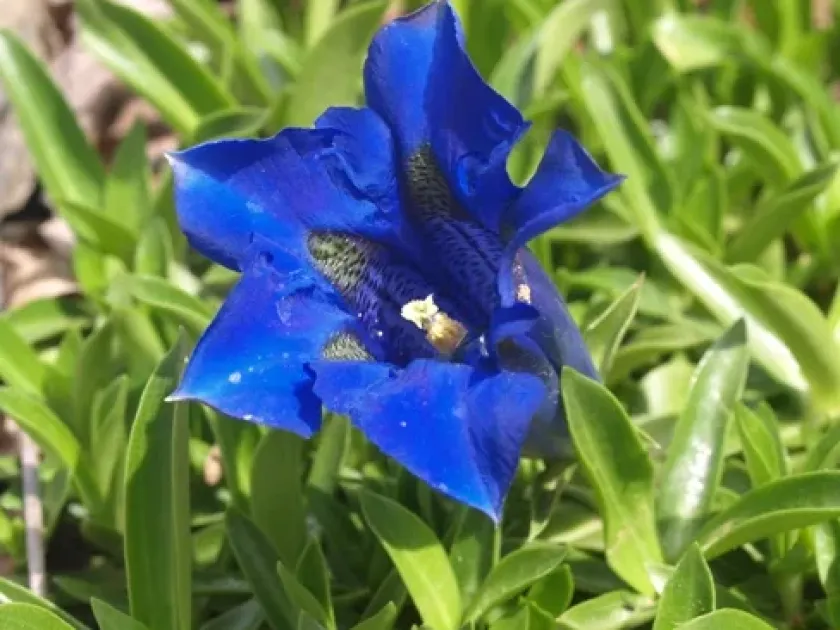
Description
Sowing dates
Sowing Gentiana occidentalis seeds requires prior stratification, as they are known for poor germination rates. The optimal time for sowing in open ground is late autumn, allowing the seeds to undergo natural cooling throughout the winter period.
When using the seedling method, stratification is carried out artificially in a refrigerator at a temperature of 2–4 degrees Celsius for 1–2 months. This significantly increases the percentage of germination and ensures more uniform sprouts.
Seeds are sown superficially without burying them deep in the soil, as they require light to germinate. Containers should be covered with glass or film to maintain constant substrate humidity.
First sprouts usually appear 3–4 weeks after being moved to a warm place. It is important to ensure that the soil does not dry out, but also remains well-drained to avoid the death of young plants.
Transplanting strengthened seedlings to their permanent location is done in the second half of spring, once the risk of night frosts has passed, ensuring sufficient spacing between plants for healthy development.
Growing requirements
Gentiana occidentalis is a perennial herbaceous plant of the Gentianaceae family, which naturally occurs on limestone slopes and alpine meadows. The crop prefers areas with good drainage and moderate humidity.
For successful growth, the plant requires slightly alkaline or neutral soils rich in humus and minerals. It is important to avoid waterlogging, as the root system of this species is sensitive to excessive moisture.
This crop is light-loving, however, in regions with hot climates, light shading is recommended during midday hours. Direct exposure to intense sun can lead to soil overheating and loss of leaf decorativeness.
The optimal temperature for vegetation ranges from 15 to 22 degrees Celsius. The plant has high frost resistance and can withstand harsh winters typical of its natural habitat regions.
Maintenance includes regular soil loosening and weeding. Mulching with small stones or gravel helps maintain soil moisture and protects the root collar from rotting.
Main diseases and pests
The main threat to Gentiana occidentalis comes from slugs and snails, which actively feed on young leaves and flower buds in damp weather. Mechanical traps and specialized granular baits are used to control them.
If agricultural practices are violated and the soil is overwatered, plants can become infected with fungal diseases such as grey mold. The first sign of the disease is the appearance of dark spots on leaves and mold growth on stems.
Aphids can occasionally attack the tips of flower stalks, sucking sap and inhibiting plant development. In such cases, the use of systemic insecticides approved for decorative perennials is recommended.
Root rot is a serious threat when the substrate is improperly chosen. If the soil is too dense and retains water, roots start to die, which inevitably leads to the total loss of the plant.
To prevent diseases, it is important to follow the correct watering regime and ensure excellent ventilation of the planting site. Regular inspection of plants allows for early detection of pests and the implementation of timely protection measures.