
Narrow-leaf gentian
Gentiana linearis
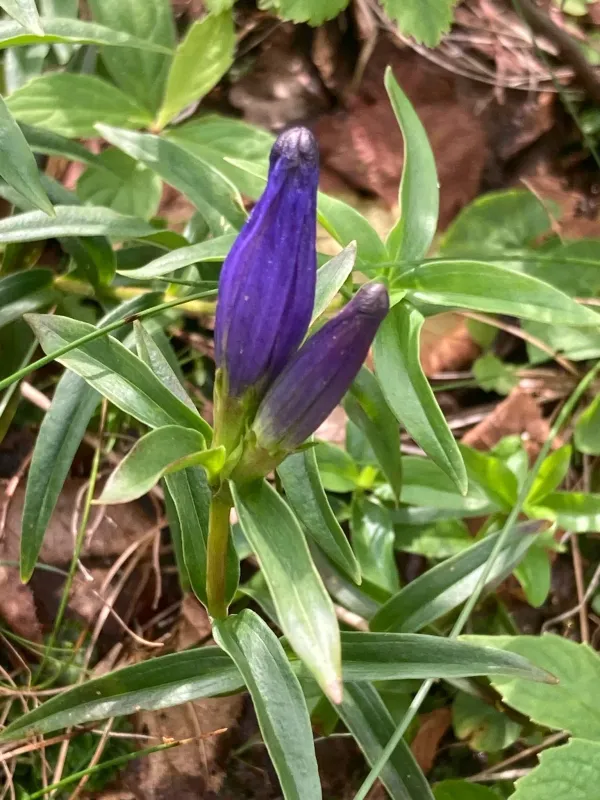
Description
Sowing dates
Seeds of Gentiana linearis have a low germination rate, so stratification is essential for successful cultivation. Sowing is typically carried out in late autumn for natural outdoor chilling or in containers kept at temperatures between 0 and +5 degrees Celsius for 1–2 months.
For spring sowing, seeds require prior preparation to simulate natural germination conditions. The sowing is done on the surface because the seeds are extremely small and need light to germinate; they should only be lightly covered with a thin layer of sand or vermiculite.
The optimal time for sowing in temperate climates is October–November for outdoor beds or March for indoor greenhouse trays. It is crucial to maintain a stable temperature and high substrate moisture during the germination stage.
Seedlings should be transplanted to their permanent location only after developing a strong root system. The roots of this species are quite fragile, so transplanting must be done with extreme care to avoid disrupting the root ball.
When planting, spacing must account for the plant's need for airflow; intervals of at least 25–30 centimeters between clumps are recommended to ensure proper circulation and prevent rot.
Growing requirements
Narrow-leaf gentian belongs to the Gentianaceae family and thrives in moist, well-drained, acidic soils. This plant is a perfect choice for the edges of water features or damp rock gardens where humidity is naturally higher.
For optimal growth, the species requires a location with sufficient sunlight, although intense midday sun can stress the plant. Partial shade is generally considered the best environment to protect it from overheating.
The soil must be rich in humus, loose in structure, and maintain consistent moisture throughout the growing season. Despite being moisture-loving, waterlogging at the roots is detrimental, so effective drainage is mandatory.
Climatic conditions should reflect temperate zones with relatively cool summers and pronounced winters. The plant is highly cold-hardy, a trait inherited from its native habitats in the northern latitudes of North America.
During the active growth phase, the plant requires regular watering with soft, room-temperature water. Allowing the root zone to dry out is not recommended, as it immediately impacts the aesthetic appeal of the foliage and blossoms.
Main diseases and pests
The primary threat to Gentiana linearis is fungal disease, which develops in conditions of high air humidity and poor ventilation. Gray mold is the most common issue, typically attacking the foliage and developing buds.
Pests such as slugs and snails are highly attracted to the succulent greens of the plant during rainy seasons. To protect the plants, applying a mulch of gravel around the base makes it difficult for mollusks to reach the stems.
Aphids can occasionally colonize the plant, feeding on the sap of young shoots. To manage these pests, mild systemic insecticides or horticultural soaps can be used, ensuring they do not damage the delicate petals of the flowers.
Inappropriate soil selection with high alkalinity leads to leaf chlorosis. Prevention involves acidifying the substrate by incorporating pine needles or utilizing specialized fertilizers designed for acid-loving plants.
To prevent the spread of pathogens, it is vital to prune dead or decaying plant tissue regularly and maintain a careful watering schedule, avoiding direct overhead watering of the open flowers.