
Gentiana jamesii
Gentiana jamesii
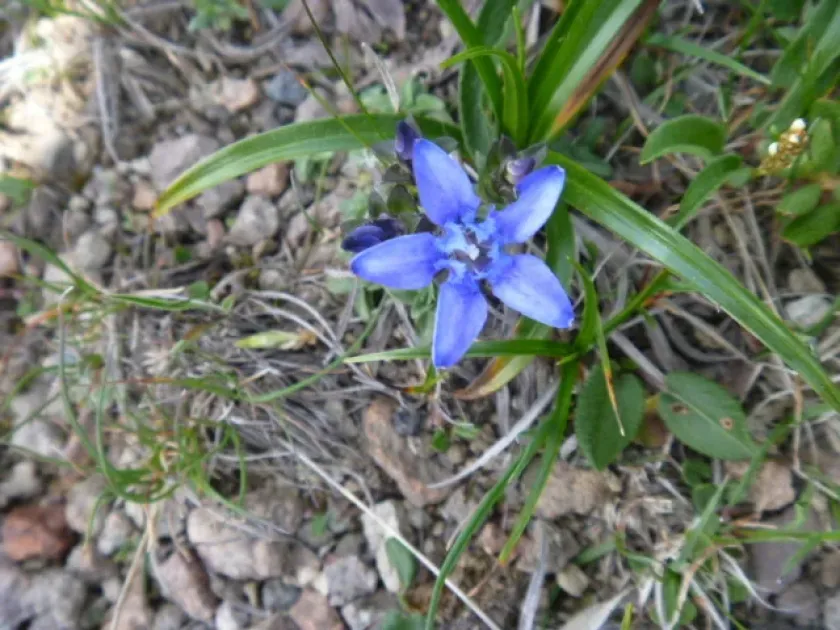
Description
Sowing dates
Sowing seeds of Gentiana jamesii should be performed in autumn to allow for natural stratification, which is crucial for successful germination. Due to their tiny size, seeds must be surface-sown on a well-draining substrate without covering them with soil.
The optimal sowing time in temperate climates is from October to November. If indoor sowing is preferred, seeds must be pre-chilled in a refrigerator at temperatures between 0 and 5 degrees Celsius for approximately two to three months.
Germination is often uneven, requiring consistent moisture levels in the growing medium to be maintained throughout the process. A lightweight, sandy substrate is recommended to prevent root rot, as young seedlings are highly sensitive to moisture excess.
Pricking out the seedlings should be executed with extreme care to avoid damaging the primary taproot. The best time for transplanting to a permanent location is when the plant has developed its first or second pair of true leaves.
Using containers with a robust drainage layer of gravel or expanded clay is essential for healthy seedling development. A thin layer of heat-treated river sand on the surface helps keep the crown of the plant dry and prevents fungal growth.
Growing requirements
Gentiana jamesii belongs to the Gentianaceae family and is a classic alpine species that thrives in specific cool, mountainous conditions. It prefers locations with high air humidity and protection from intense mid-day heat.
Soil requirements are strict: the medium must be fertile, well-draining, and ideally neutral to slightly acidic. Incorporating granite or limestone chips into the soil mix is vital to replicate the natural stony environment of the plant.
This species requires partial shade or filtered light to flourish, as direct sunlight can easily burn the foliage. Adequate airflow is necessary to prevent the plant from overheating, especially during the peak of the summer season.
Cultivation practices include regular but careful watering that prevents water stagnation around the root collar. Mulching the area around the base with fine stone chippings is highly beneficial for regulating soil temperature and retaining moisture.
The plant is not tolerant of high concentrations of mineral fertilizers, preferring minimal organic feeding. A light application of compost in early spring is usually sufficient to support the plant's nutritional needs throughout the year.
Main diseases and pests
The primary threats to Gentiana jamesii are fungal diseases triggered by excessive moisture and poor air circulation. Gray mold and various leaf spots can quickly damage the plant if the growing area lacks proper ventilation and drainage.
Slugs and snails are the most significant pests for this culture, often attacking fresh shoots and developing buds during the night. Implementing physical barriers or using environmentally friendly baits is effective in controlling these mollusks.
Occasional infestations of aphids or thrips may weaken the plant by feeding on its sap. Regular monitoring allows for early detection, enabling the use of systemic insecticides or biological control agents before the infestation spreads.
Maintaining garden hygiene is essential for disease prevention; dead foliage and debris should be removed promptly. Ensuring enough space between individual plants encourages airflow and significantly reduces the susceptibility to pathogens.
If disease symptoms appear, targeted treatment with copper-based fungicides or bio-fungicides can help contain the infection. It is crucial to follow manufacturer guidelines strictly to avoid chemical stress on the delicate root system.