
Hybrid Gentian
Gentiana hybrida
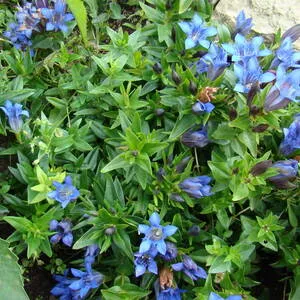
Description
Sowing dates
The Hybrid Gentian (Gentiana hybrida) belongs to the Gentianaceae family. Its seeds are exceptionally small and require a specific cold stratification process to overcome dormancy before they can germinate.
Sowing is typically performed in the autumn in trays filled with a light, sterile substrate, kept outdoors through winter. For spring sowing, seeds must be refrigerated for 2 to 3 months to simulate natural winter cycles.
The seeds should be sown on the surface and barely covered with fine sand. Maintaining high humidity is vital; the substrate must never dry out during the germination period, which can take several weeks.
Once seedlings develop two true leaves, they should be pricked out. Because the root system is sensitive to disruption, using individual plugs or biodegradable peat pots is strongly recommended to minimize transplant shock.
Transplanting to a permanent location occurs after the last risk of frost has passed. Spacing is crucial; plants should be set 25-30 centimeters apart to prevent overcrowding and ensure adequate airflow.
Growing requirements
Hybrid Gentians thrive in partial shade, especially in warmer climates where midday sun can cause dehydration. They prefer cool, moist environments that mimic their natural alpine habitats.
The soil should be structurally sound, well-draining, yet capable of retaining sufficient moisture. Most cultivars prefer soils with a pH ranging from slightly acidic to neutral for optimal nutrient uptake.
Effective drainage is essential as the roots are highly susceptible to rot if water stagnates. On heavier clay soils, a base layer of gravel is necessary to protect the plant's delicate root zone.
These plants have specific needs regarding humidity; dry winds and extreme heat are detrimental to their health. Regular, deep watering during the growth phase helps maintain the necessary turgidity.
Moderate fertilization is recommended. Excess nitrogen should be avoided, as it encourages soft, succulent growth that is less hardy and more susceptible to disease outbreaks and mechanical damage.
Main diseases and pests
Fungal diseases, particularly grey mold (Botrytis) and various leaf spots, are primary threats that flourish in poorly ventilated, overly humid conditions within a planting bed.
Slugs and snails are major pests that can severely damage young leaves and buds. Integrated pest management, including the use of barriers or slug pellets, is essential during the early stages of growth.
Root rot, often caused by poor drainage or overwatering, poses a significant risk. Symptoms include sudden wilting and browning of foliage, requiring immediate intervention with soil-applied fungicides.
Aphids can infest developing inflorescences, sucking sap and causing deformed floral development. Prompt application of appropriate systemic insecticides is needed if populations exceed economic thresholds.
Nematodes may attack the roots, causing stunted growth and chlorosis. Because chemical control of nematodes is difficult, reliance on disease-free stock and strict crop rotation protocols is standard practice.