
Gentiana gelida
Gentiana gelida
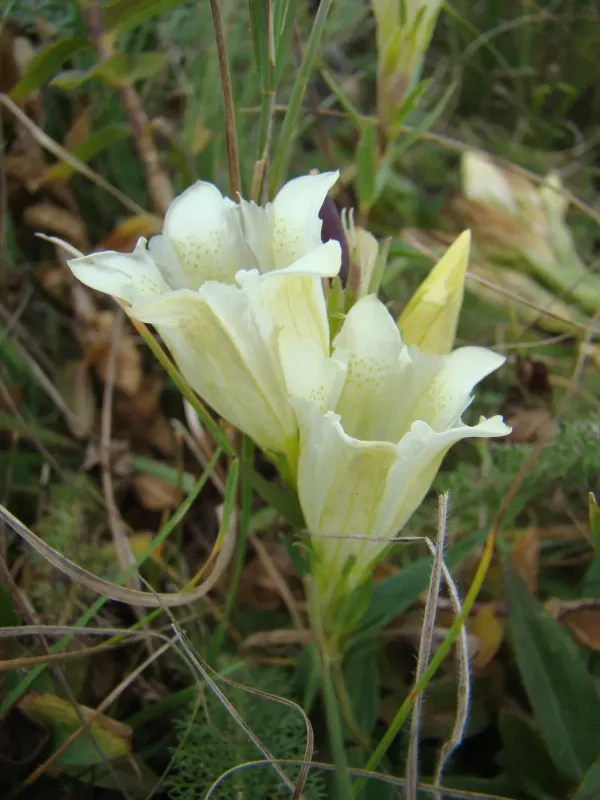
Description
Sowing dates
Gentiana gelida seeds require a period of cold stratification to break dormancy, making autumn the ideal time for sowing. Seeds should be sown on the surface of a light, well-draining substrate as they need exposure to light to germinate effectively.
If sowing indoors, place the trays in a refrigerator at temperatures between 0 and 4 degrees Celsius for at least eight weeks. After the cold period, move the trays to a bright location with a stable, cool temperature to trigger the germination process.
Germination can be slow and sporadic, requiring constant patience and monitoring of soil moisture levels. Once the seedlings develop their first true leaves, they should be carefully pricked out into individual pots to avoid competition.
The root system of the gentian is highly sensitive and grows deep, so deep pots are recommended for early development. Avoid over-handling the roots during transplanting to minimize the shock that often leads to plant failure.
Establishment in the garden should occur once the seedlings are robust enough to withstand outdoor conditions. Choose a location that allows for minimal disturbance, as established plants despise being moved or divided.
Growing requirements
Gentiana gelida is a member of the Gentianaceae family, natively thriving in the alpine and subalpine meadows of the Caucasus and Turkey. This plant is evolutionarily adapted to rocky, cool, and windy environments with distinct seasonal cycles.
To succeed in cultivation, gardeners must provide soil that mimics alpine conditions: lean, gritty, and exceptionally well-draining. A mix of garden soil, sand, and fine gravel is usually sufficient to prevent the risk of root rot.
Light requirements involve bright, indirect sunlight, as this plant is not adapted to scorching lowland sun. In warmer climates, it is essential to provide shade during the hottest part of the day to keep the root zone cool.
Temperature management is perhaps the most difficult aspect of growing Gentiana gelida outside of its native range. The plant performs best in regions with cool summers and cold winters, preferring consistent moisture rather than extremes.
Watering must be regular and thoughtful; while the plant enjoys moisture, it cannot tolerate waterlogging. Using mulch like pea gravel or grit around the crown helps retain moisture in the soil while keeping the foliage dry and free from rot.
Main diseases and pests
Fungal pathogens such as leaf spot and Botrytis are common issues in gardens with poor air circulation or high humidity. Maintaining adequate spacing between individual plants is the best preventative measure against these diseases.
Slugs and snails are major pests that can severely damage the foliage and flowers of the Gentiana gelida, especially in spring. Protective barriers or regular manual checks are necessary to save the plants from total defoliation.
Aphids occasionally target the tender growth and flower buds, weakening the plant and potentially vectoring viral diseases. If an infestation occurs, horticultural soaps or gentle organic insecticides can be applied to manage the population.
Root rot is the most common cause of sudden plant death, usually induced by poor drainage or over-watering. Once the root system begins to decay, the plant is typically impossible to rescue, making prevention the only viable strategy.
Weakened plants are significantly more susceptible to environmental stressors and secondary infections. By maintaining soil health and providing adequate light, you ensure the plant remains resilient against most typical horticultural threats.