
Elwes' Gentian
Gentiana elwesii
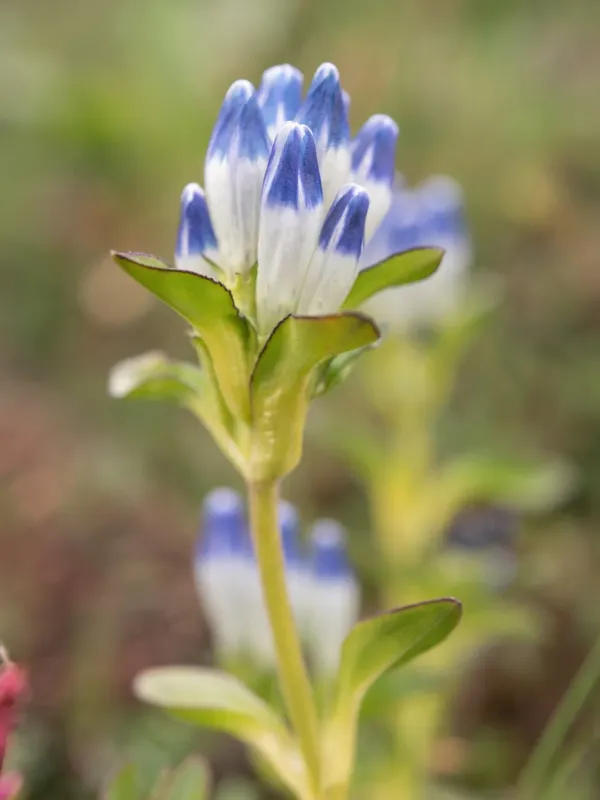
Description
Sowing dates
The seeds of Gentiana elwesii require a period of stratification to break dormancy. For best results, sow seeds in late autumn, allowing the natural winter cycle to trigger germination in the spring.
If you prefer starting seeds indoors, keep them in a cold environment (about 4°C) for six weeks before moving them to a warmer spot. Use a well-draining, sterile potting mix specifically designed for alpine seeds.
Surface sowing is essential for this species as the seeds need light to germinate. Press them gently into the growing medium without covering them with soil, and keep the surface consistently moist.
Once true leaves appear, seedlings should be handled with extreme care to avoid disturbing their delicate taproot system. It is best to transplant them directly from individual cell trays into their permanent location.
Growth during the first year is notably slow, so patience is key. Providing a stable, cool environment during this stage will significantly increase the survival rate of the young plants.
Growing requirements
Gentiana elwesii is a member of the Gentianaceae family and is natively found in the high-altitude regions of the Himalayas. Its biology is perfectly adapted to cool, rocky environments with excellent drainage.
The soil must be gritty and mineral-rich, mimicking the conditions of its native scree slopes. While it prefers neutral to slightly acidic pH levels, the physical structure of the soil is more important than its fertility.
Placement is crucial: choose an area with bright, indirect light. While the plant appreciates sun, it requires shade during the hottest part of the day to prevent its roots from overheating in lowland gardens.
Watering should be consistent but careful. Never allow the soil to become waterlogged, as this is the quickest way to kill the plant. Use soft, non-chlorinated water if possible, especially in regions with hard water.
Mulching the base of the plant with small pebbles or coarse gravel is a standard practice. This simple step keeps the crown dry and protects the roots from sudden temperature fluctuations in both summer and winter.
Main diseases and pests
The most significant threat to Elwes' Gentian is fungal decay resulting from stagnant moisture. Crown rot, in particular, can be lethal and is almost always linked to poor drainage or overly wet mulch.
Aphids and spider mites are common pests that tend to cluster on new growth during periods of drought. Monitoring the foliage weekly is the best way to catch infestations before they cause significant damage.
Gastropods, such as slugs and snails, find the young, succulent shoots of the gentian particularly attractive. Implementing physical barriers, such as copper tape or crushed stones, is highly effective for protection.
Disease management relies primarily on cultural control. Keeping the environment tidy, removing dead plant matter, and ensuring that water does not pool around the plant crown will prevent most common pathogens.
- Regular drainage system check.
- Prevention of crown water accumulation.
- Monitoring for early signs of fungal spots.