
Dinaric gentian
Gentiana dinarica
Description
Sowing dates
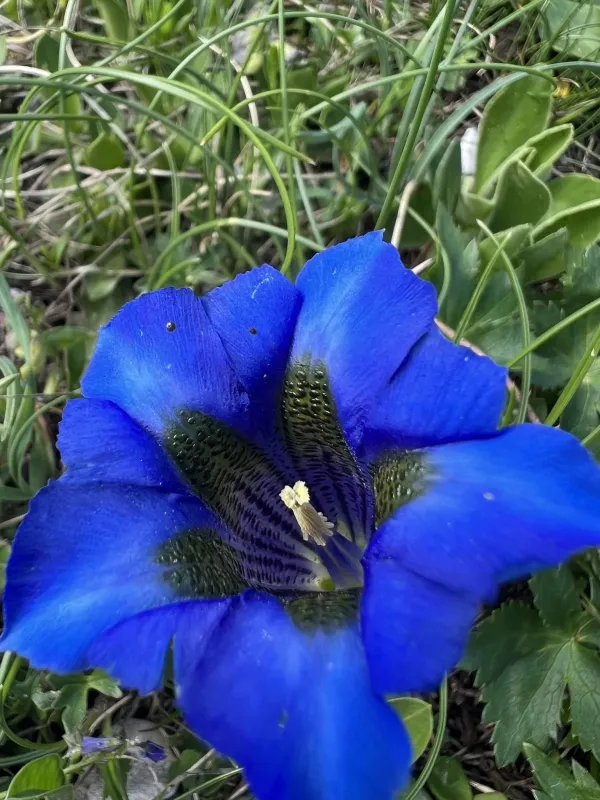
Dinaric gentian is a compact perennial herb belonging to the Gentianaceae family. Native to the limestone mountains of the Balkan Peninsula, this plant is well-adapted to rocky, alpine conditions, making it an excellent choice for rock gardens.
The propagation of this species is primarily achieved through seeds, which require a cold stratification period to break dormancy. Sowing in late autumn allows the seeds to experience natural seasonal changes, which significantly improves germination rates in the spring.
For optimal results, seeds should be sown on the surface of a light, well-draining substrate. Because they require light for germination, they should not be buried deeply; covering them with a thin layer of fine grit is often sufficient to maintain moisture.
Seedlings develop slowly and require a stable, cool environment during the first stages of growth. Protecting young plants from direct, intense sunlight and ensuring consistent, moderate humidity are critical factors for successful early development.
Vegetative propagation via careful division of mature clumps is possible but risky due to the plant's sensitive root system. This should only be attempted when the plant is dormant or immediately after flowering, using sharp, sterilized tools to ensure clean cuts.
Growing requirements
Dinaric gentian thrives in neutral to slightly alkaline, limestone-rich soils. A well-draining soil profile is the most important requirement; it cannot tolerate standing water, as the roots are highly susceptible to rot in wet conditions.
Ideally, the plant should be placed in a location with plenty of sunlight but protected from the harsh midday heat. Alpine or north-facing rock gardens, where temperatures remain relatively cool, are perfect for simulating their native high-altitude environment.
Watering should be consistent but moderate. Using soft water is preferable, as chlorine or high mineral content in tap water can negatively affect the delicate pH balance of the substrate over time.
The species is exceptionally winter-hardy and requires no special protection from frost. However, applying a layer of stone chippings or gravel around the base of the plant helps keep the crown dry and prevents soil splash during heavy rain.
Avoid excessive fertilization, as Dinaric gentian performs best in lean, poor soils. Over-feeding tends to produce weak, leggy growth, which compromises the dense, attractive rosette structure that characterizes this beautiful alpine species.
Main diseases and pests
Slugs and snails are the primary pests that can cause significant damage to the fleshy leaves and developing buds of Dinaric gentian. Regular monitoring, especially during damp spring months, is necessary to prevent these pests from destroying the plant.
Root rot is the most common health issue, triggered by poor drainage or overly compacted soil. Prevention focuses entirely on ensuring the planting site is sufficiently porous and avoiding excessive watering that saturates the root zone.
In stagnant air conditions, fungal leaf spot diseases can occur. Improving ventilation and maintaining adequate distance between individual plants significantly reduces the risk of fungal spread in a rock garden setting.
Aphids may occasionally infest the flower stalks during the early growing season. If a colony is detected, manual removal or the application of organic insecticidal soap is usually effective without causing harm to the plant's delicate tissues.
Overall, Dinaric gentian is a resilient plant if its niche environmental needs are met. Its greatest defense against diseases is a well-structured rock garden environment that mimics its natural habitat, keeping the roots cool and the crown dry.