
Gentiana crassuloides
Gentiana crassuloides
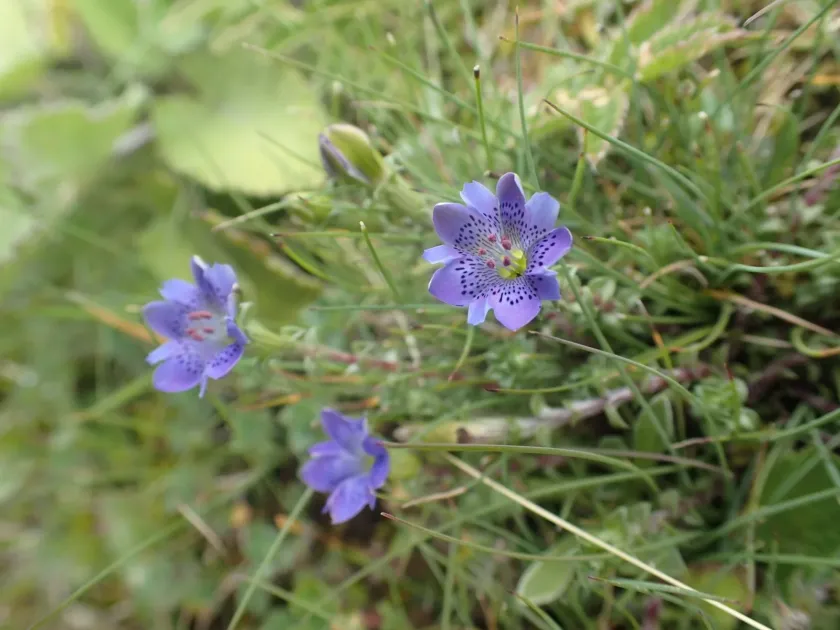
Description
Growing requirements
Gentiana crassuloides is a perennial herbaceous plant belonging to the Gentianaceae family. Native to alpine habitats, this species is well-adapted to high-altitude environments characterized by intense solar radiation and significant daily temperature fluctuations.
The plant features distinct thick leaves, which serve as an adaptation to retain water in rocky and well-drained soils. For agricultural production, it is essential to replicate these conditions by using a porous growing medium with excellent drainage capabilities.
Soil requirements for Gentiana crassuloides are specific: it prefers neutral to slightly acidic pH levels. Incorporating mineral substrates such as gravel or perlite into the planting bed is recommended to prevent soil compaction and root rot.
Regarding climate, the plant thrives in areas with cool growing seasons. While it is hardy, excessive heat combined with high humidity can stress the plant, necessitating the use of mulching or positioning in areas with good air circulation.
The cultivation cycle is slow, as the plant invests significant energy into developing a robust root system. Proper light management is crucial; it needs bright, indirect sunlight to maintain its compact growth form and prevent etiolation.
Main diseases and pests
The most significant threats to Gentiana crassuloides include root pathogens, primarily fungi such as Phytophthora or Pythium, which thrive in poorly drained substrates.
Pest pressure from gastropods like slugs and snails can be high, particularly during the early stages of spring emergence when tender foliage is vulnerable.
Leaf spot diseases can occur if the foliage remains wet for extended periods, underlining the importance of watering at the base rather than overhead.
In terms of integrated pest management, physical barriers such as copper tape or fine gravel mulch are effective in deterring mollusks without the use of chemical pesticides.
Regular monitoring for signs of wilt is essential, as once the vascular system is damaged by pathogens, recovery is rarely possible for this sensitive alpine species.