
Gentiana capitata
Gentiana capitata
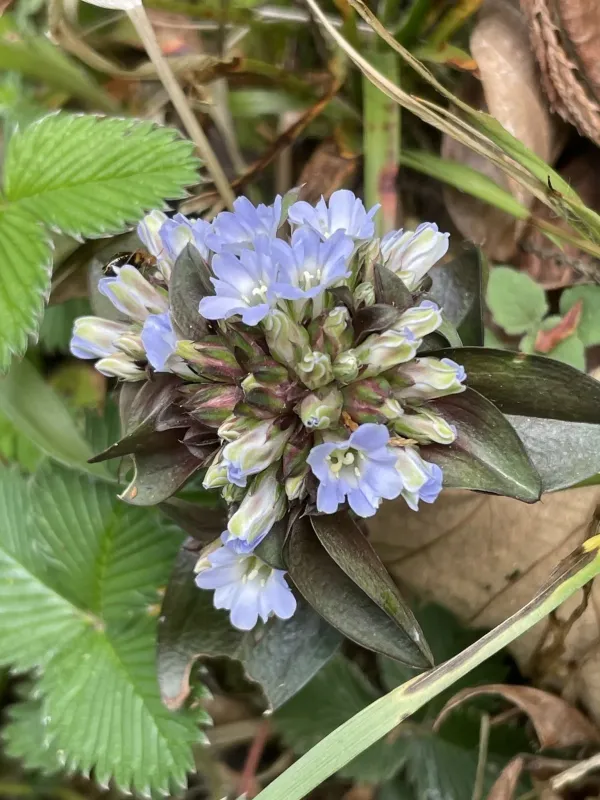
Description
Growing requirements
Gentiana capitata, commonly known as head gentian, is a perennial herbaceous plant belonging to the Gentianaceae family. It is native to high-altitude regions, specifically the Himalayas, where it has evolved to thrive in cool, alpine environments.
The plant requires specific microclimatic conditions to prosper in cultivation. It prefers areas with consistent cool temperatures and high humidity, making it challenging to grow in hot, lowland climates without significant environmental modifications.
Soil requirements for Gentiana capitata include a well-draining, slightly acidic to neutral substrate. Heavy soils that retain too much water are unsuitable as they quickly lead to root rot and other physiological issues related to oxygen starvation in the rhizosphere.
Light exposure must be carefully managed; while the plant requires sufficient light for photosynthesis, protection from harsh, direct midday sun is necessary to prevent leaf scorching and desiccation. Partial shade or morning sun is considered the ideal lighting condition.
The economic value of this species is primarily focused on ornamental horticulture, particularly in alpine rock gardens, and its potential use in specialty botanical research. It is appreciated by enthusiasts for its unique floral head structure and compact growth habit.
Main diseases and pests
Fungal infections, particularly grey mold (Botrytis), pose a significant threat during periods of high humidity and poor air circulation. These infections can quickly destroy the delicate foliage if not treated with appropriate systemic fungicides.
Gastropods, including slugs and snails, are highly attracted to the succulent tissues of Gentiana capitata. Regular monitoring and the application of physical or chemical barriers are essential to prevent complete defoliation of the plants.
Aphids often target the developing buds, weakening the plant and potentially transmitting plant viruses. Early detection and the application of selective insecticides or organic soaps are recommended to keep populations under control during the spring season.
Root rot remains a critical concern, often stemming from improper drainage or excessive watering. Ensuring the planting medium is loose and porous is the primary preventative measure against these lethal soil-borne pathogens.
Nematode infestations can lead to stunted growth and irregular development of the root system. Using sterilized soil and maintaining strict hygiene in the growing area are the most effective strategies to prevent the introduction and spread of these microscopic pests.