
Gentiana burseri
Gentiana burseri
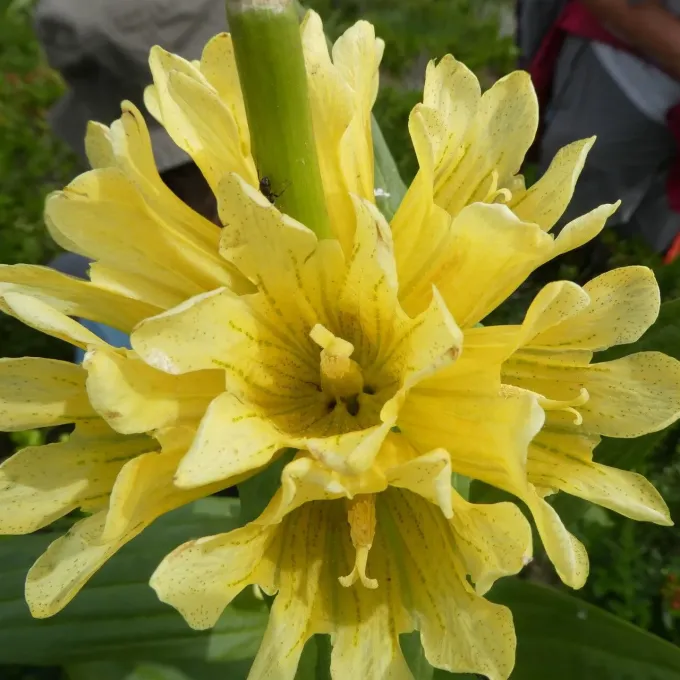
Description
Sowing dates
Sowing seeds of Gentiana burseri is best performed in late autumn to allow for natural cold stratification over the winter period. This alpine plant requires exposure to low temperatures to break seed dormancy and ensure successful germination.
Spring sowing is possible only after the seeds have undergone artificial stratification in a refrigerator at 2–4 degrees Celsius for at least two to three months. If this step is skipped, germination rates are typically negligible.
Seeds should be sown on the surface of the soil, as they require light to germinate. It is crucial to maintain high soil moisture levels without burying the seeds too deep in the substrate.
Seedlings develop slowly during the first months. Careful handling during the transplantation process is necessary to avoid damaging the delicate root systems as they begin to establish themselves in the nursery.
Transplanting into the permanent garden site should ideally take place in late summer, giving the young plants enough time to adapt to their environment before the ground freezes in winter.
Growing requirements
Gentiana burseri is a perennial herb of the Gentianaceae family native to the Pyrenees. It thrives in cool, high-altitude climates and requires environment conditions that mimic its natural alpine habitat.
The ideal soil for this crop is loose, rich in organic matter, and well-drained. Since the plant is highly sensitive to waterlogging, amending heavy soils with grit or sand is essential for preventing root decay.
Soil pH should be maintained in the slightly acidic to neutral range. Incorporating compost or well-rotted organic material before planting significantly improves both the vigor and the chemical yield of the plant roots.
The plant prefers partial shade or dappled light conditions. While it is adapted to strong UV light in nature, cultivated plants often suffer under direct, scorching mid-day sun, requiring protective shading.
Consistent moisture is key for healthy growth. While the plant needs steady watering, the substrate should never be constantly saturated, as this leads to fatal fungal infections in the root zone.
Yield
The economic value of Gentiana burseri is found primarily in its roots, which are harvested for their high concentration of bitter glycosides used in tonics and pharmaceuticals. Harvesting usually occurs on plants 3 to 5 years of age.
Yield depends on the density of the planting and the soil quality. Well-tended crops can produce significant biomass, providing a consistent supply of roots for medical or beverage applications.
Harvesting is typically carried out in autumn once the vegetative part of the plant starts to wither. This timing ensures that the concentration of active medicinal compounds in the rhizomes is at its annual peak.
After excavation, the roots must be thoroughly cleaned of soil and debris. Damaged parts should be removed immediately, and the remaining healthy material should be sliced for efficient drying.
The dry root yield is a testament to the crop's longevity and health. Proper post-harvest handling ensures that the essential bitter principles remain intact for the end-use industry.
Main diseases and pests
Fungal rots, specifically those affecting the root crown, are the most significant threat to Gentiana burseri. These diseases are usually triggered by poor drainage or excessive humidity during the growing season.
Slugs and snails can cause severe damage to young foliage during the spring. Implementing physical barriers or integrated pest management strategies is necessary to protect the early growth stages of the plant.
Aphids occasionally colonize the flower buds, which can stunt development and decrease overall plant health. Eco-friendly insecticidal soaps are recommended for control to avoid harming beneficial pollinators.
Nematodes may attack the root system, leading to stunted growth and yellowing leaves. Rotating crops and ensuring the use of disease-free planting stock is the primary method of prevention.
Leaf rust can occur in stagnant, humid air. Maintaining adequate spacing between plants and removing any infected leaves immediately helps prevent the spread of fungal spores across the plot.
Harvesting
Harvesting is labor-intensive and must be done by hand to maintain the integrity of the root system. Using a garden fork to carefully lift the plants helps prevent unnecessary breakage of the valued roots.
Once harvested, roots should be processed immediately. They are washed, sorted, and then dried in a well-ventilated room at temperatures not exceeding 50 degrees Celsius to preserve volatile compounds.
Properly dried roots should be brittle and exhibit a characteristic light-brown to greyish color. They should be stored in airtight containers away from direct sunlight to maintain potency over long periods.
Quality control often involves measuring the bitterness index to ensure the roots meet market specifications. Periodic renewal of the plantation is advised to ensure continuous yield and soil health.
The commercial market for Gentiana burseri is focused on high-end medicinal preparations and traditional herbal spirits, making it a niche but valuable crop for specialized agricultural producers.