
Gentiana boryi
Gentiana boryi
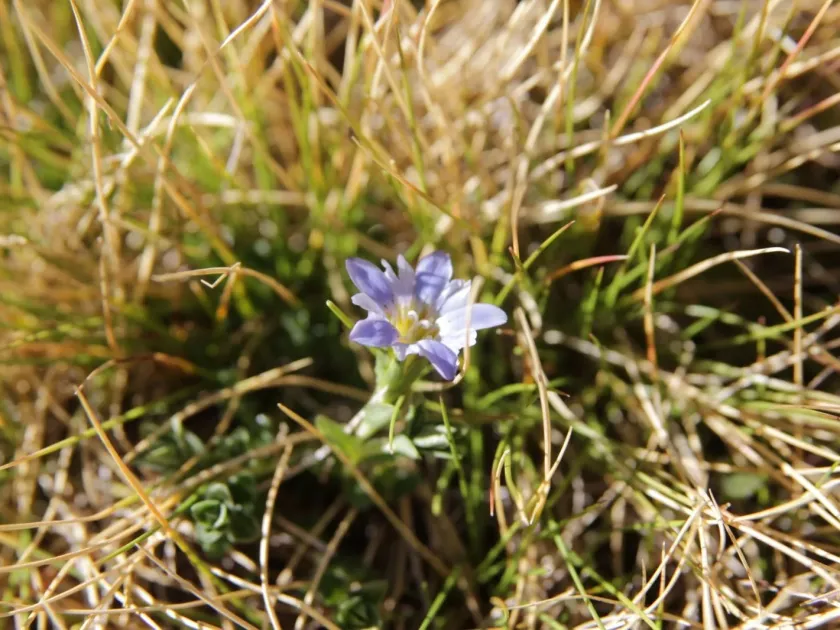
Description
Growing requirements
Gentiana boryi is a perennial herbaceous plant belonging to the Gentianaceae family. It is a rare, high-altitude species native to the rocky mountain ranges of the Iberian Peninsula, specifically adapted to limestone environments.
Botanically, this species is characterized by its cushion-forming growth habit, which allows it to thrive in nutrient-poor and exposed rocky crevices. Its compact stature makes it an ideal candidate for specialized alpine garden collections.
In terms of cultivation, the primary requirement is excellent soil drainage. The substrate should be composed of mineral-rich materials, including grit, sand, and limestone chippings, to prevent any stagnation of water around the roots.
Climatic preferences include cool temperatures, high light intensity, and good air circulation. In cultivation, it performs best when placed in an alpine house or a well-drained scree bed where it can mimic its wild high-altitude habitat.
Economically, Gentiana boryi is utilized exclusively as an ornamental specimen for rock gardens and botanical research. It is highly sought after by collectors of rare alpine flora due to its specific ecological requirements and aesthetic appeal.
Main diseases and pests
The primary threats to Gentiana boryi include various fungal pathogens that thrive in stagnant, humid environments. Root rot is the most common cause of plant loss, often triggered by improper watering practices or lack of drainage.
Pests such as snails and slugs can cause significant damage to the foliage and buds during the active growing season. Regular manual removal or the use of physical barriers is essential for protecting the plant's structural integrity.
Aphids may occasionally infest the plant, drawing sap from young tissue and potentially introducing viruses. Gentle treatment with horticultural soaps or manual cleaning is recommended as the plant is sensitive to harsh chemical applications.
Environmental stress, particularly during extreme heat waves or sudden shifts in moisture, can weaken the plant. This makes it more susceptible to secondary infections, emphasizing the need for a stable microclimate.
- Monitor soil moisture levels frequently.
- Ensure adequate ventilation in the growing area.
- Inspect for pests during the early spring period.
- Apply top-dressing with grit to prevent crown rot.