
Alpine gentian
Gentiana alpina
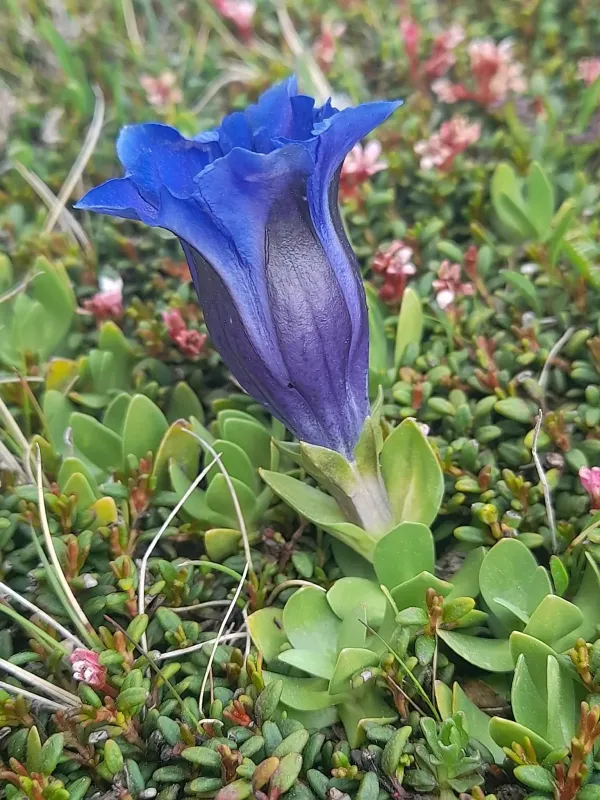
Description
Sowing dates
The seeds of Gentiana alpina are notorious for their dormancy and low germination rates if not handled correctly. They require a period of cold stratification, ideally lasting between 1 to 3 months at temperatures near freezing, to break dormancy and trigger the germination process.
When sowing, the seeds should be surface-sown or barely covered with a very thin layer of fine sand, as they need exposure to light to sprout. The growing medium should be well-draining, typically a mix of seed-starting compost and perlite to maintain an airy, moisture-retentive base.
The temperature during germination should be consistent, kept around 15–18°C. Keeping the surface of the soil moist with a fine mist sprayer is essential during this stage, as the seeds are extremely sensitive to drying out, which can kill the embryo instantly.
Seedlings are slow-growing and should be kept in a protected environment until they develop a strong root system. Pricking out or transplanting should be done with extreme caution, as gentians have taproots that are easily damaged during handling.
Once the seedlings are robust enough, they should be transplanted into their final locations in early spring. Choosing a spot with minimal root disturbance is crucial for their long-term survival, as they do not take kindly to being moved once established.
Growing requirements
Alpine gentian belongs to the Gentianaceae family and is adapted to the harsh, high-altitude environments of the Alps. To succeed in cultivation, one must replicate these alpine conditions, specifically regarding the soil structure and temperature.
These plants thrive in cool, sunny positions with well-drained, slightly acidic to neutral soils. They are perfect for rock gardens or scree beds where the roots can stay cool while the foliage enjoys full or partial sun exposure.
Drainage is the single most important factor for success; the soil must never remain waterlogged. Incorporating grit or fine gravel into the planting hole ensures that water moves away from the crown of the plant, preventing the rot that kills many gentians.
Maintaining a cool root environment is achieved by top-dressing the soil around the plant with stone chippings. This not only keeps the roots cool but also prevents mud from splashing onto the leaves, which can harbor fungal spores.
Watering should be consistent throughout the growing season but reduced significantly during winter dormancy. The plant dislikes high humidity combined with stagnant air, so choosing a site with good natural airflow is highly recommended.
Main diseases and pests
Fungal pathogens are the primary threat to Gentiana alpina, especially in areas with high summer rainfall. Grey mold (Botrytis) can quickly destroy the plant, particularly if the leaves remain wet for extended periods, necessitating the use of fungicides.
Leaf spot diseases are also common in damp, crowded conditions, manifesting as discolored patches that can cause foliage drop. Removing affected parts and improving ventilation are the most effective management strategies against these infections.
Slugs and snails are the most prominent pests, often targeting the succulent young foliage in the spring. Barrier methods, such as copper tape or crushed eggshells, combined with baiting, are necessary to prevent significant defoliation of the plants.
Aphids can occasionally infest the flower buds, distorting their growth and reducing the aesthetic value of the blooms. Regular monitoring and the application of mild, organic insecticidal soaps can manage these infestations without harming the plant's delicate tissues.
Prevention is centered on site management: keep the plants away from overhanging foliage, maintain excellent drainage, and avoid deep mulching with organic material near the crown. A clean, airy rock garden is the best defense against pests and diseases.