
Gentiana algida
Gentiana algida
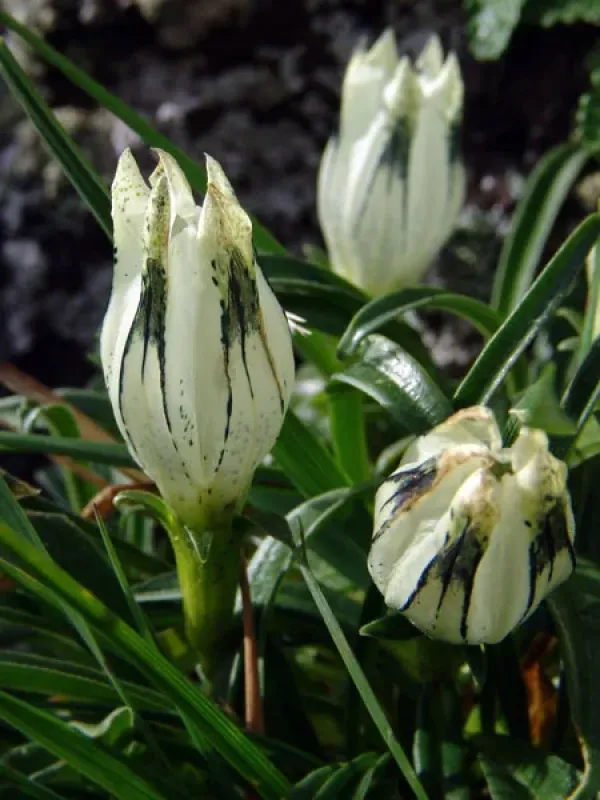
Description
Sowing dates
Propagation of Gentiana algida is best achieved through sowing seeds in late autumn, as they require a period of cold stratification to break dormancy effectively.
If indoor sowing is preferred, seeds should be sown in a sterile, gritty medium and kept in a refrigerator for at least 4 to 6 weeks before being moved to a cool, light location.
Seedlings are notoriously slow-growing and require patience; they should be kept in well-drained pots until they are robust enough to be planted into the permanent site.
Direct sowing in outdoor rock gardens is also possible if the seeds are protected from heavy rain and predators during the germination phase in early spring.
Space the plants approximately 25 centimeters apart to allow for proper airflow, as overcrowding can lead to stagnant moisture and subsequent fungal issues.
Growing requirements
Gentiana algida, belonging to the Gentianaceae family, is a slow-growing perennial herb native to alpine tundra and rocky slopes, reflecting its need for specialized environments.
The culture thrives in well-draining, slightly acidic to neutral soils enriched with organic matter, but it must be kept away from heavy clays that retain excessive moisture.
This plant is highly adapted to cool climates and prefers locations with moderate sunlight; direct, intense afternoon sun in warmer regions can lead to leaf scorching.
Maintenance involves keeping the soil consistently moist but never waterlogged, which is crucial during the active blooming season when the plant requires steady hydration.
Avoid excessive fertilization; in its native high-altitude habitat, the plant is accustomed to low-nutrient soils, so light, balanced feeding once a season is sufficient.
Main diseases and pests
The most common biological threats to Gentiana algida are various root and crown rots, usually triggered by poor drainage or high humidity during warmer months.
Fungal leaf spots can manifest under conditions of poor air circulation, necessitating prompt removal of infected leaves and improved spacing between individual plants.
Slugs and snails are the primary invertebrate pests that target the foliage, often causing significant damage during the wet, cool conditions of early spring.
Aphids can occasionally infest the flower buds, depleting the plant's resources; manual removal or insecticidal soap is recommended if an infestation is detected.
Preventative care is key: maintaining a clean growing area by removing decaying plant matter helps to reduce the risk of pathogen accumulation near the base of the plant.