
Exacum tetragonum
Exacum tetragonum
Description
Growing requirements
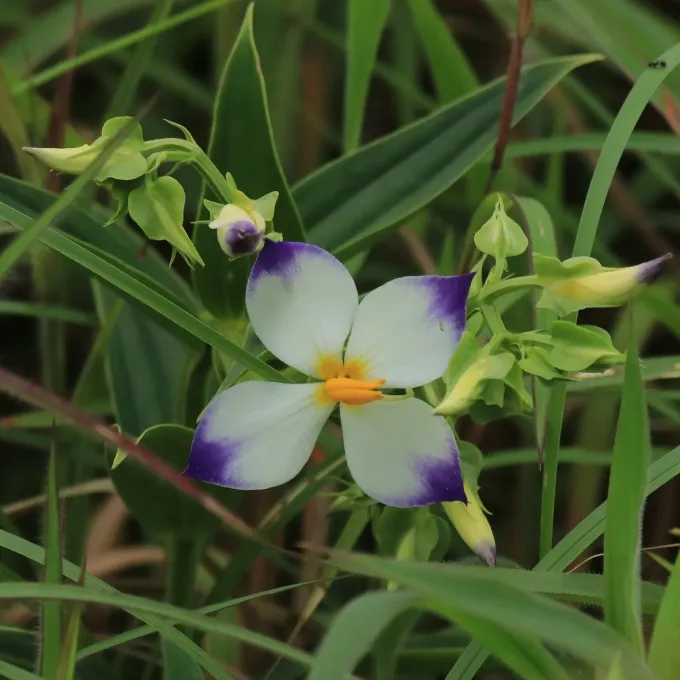
Exacum tetragonum is a herbaceous plant belonging to the Gentianaceae family. It is native to the tropical and subtropical regions of Asia, where it thrives in warm and humid environments.
The plant is botanically distinguished by its unique four-angled stems and vibrant, opposite leaves. The growth habit is typically erect, making it a well-structured species for both greenhouse and indoor settings.
To successfully cultivate this species, it is essential to mimic its natural habitat. The plant requires bright, filtered light and should be protected from harsh, direct midday sun which can scorch the foliage.
Soil requirements focus on high organic content, excellent moisture retention, and a slightly acidic pH level. A well-draining potting medium is crucial to ensure root health and prevent saturation-related issues.
In terms of economic usage, Exacum tetragonum is primarily cultivated for the ornamental plant industry, valued for its elegant aesthetic appeal and suitability for potted plant production.
Main diseases and pests
The most common threats to Exacum tetragonum include various fungal pathogens that flourish in environments with poor air circulation and excessive substrate moisture.
Spider mites are the most frequent insect pests, especially in environments where humidity is not properly maintained throughout the growing season.
Root rot remains a significant concern for growers, often caused by overwatering or the use of heavy, compacted soil types that lack adequate oxygen circulation.
Maintaining a balanced microclimate and performing routine inspections of the foliage can significantly reduce the pressure from these common threats.
Integrated pest management strategies should be implemented to control outbreaks, emphasizing cultural practices such as spacing and proper watering over chemical intervention.