
Exacum pedunculatum
Exacum pedunculatum
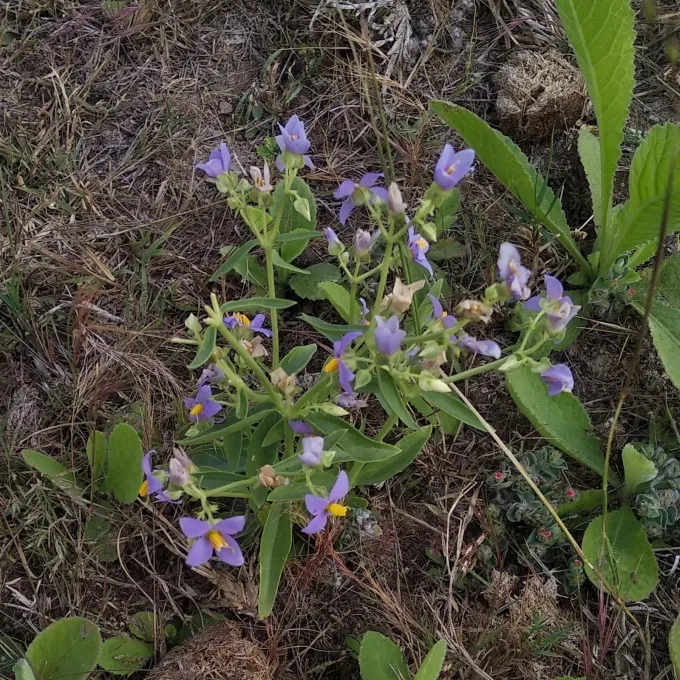
Description
Sowing dates
Exacum pedunculatum, belonging to the Gentianaceae family, is a delicate plant often grown as an annual. Sowing is typically performed during the late winter months to ensure that plants reach their peak decorative state by the early summer season.
The seeds are exceptionally small, requiring a shallow sowing technique. They should be scattered on the surface of a light, well-draining peat-based substrate and pressed gently without covering them with soil, as they require light to germinate effectively.
To ensure high germination rates, the seed trays should be covered with transparent film or glass to maintain a consistent environment. A stable temperature of 20–22 degrees Celsius is essential for successful seedling development within the first three weeks.
Once the seedlings have developed two true leaves, they are ready for transplanting into individual pots. Great care must be taken during this process, as the root system of this species is sensitive to disturbance and damage during handling.
Pinching the growing tips of the young plants is a critical step in the cultivation process. This technique encourages lateral branching, which results in a bushier, more compact plant that produces a higher number of blossoms.
Growing requirements
This species thrives in bright, indirect light. Direct sunlight can scorch the foliage and dry out the soil too quickly, so it is recommended to provide partial shade during the peak of the day, particularly in greenhouse conditions.
The soil should be kept consistently moist but never waterlogged. Using a high-quality, aerated potting mix with excellent drainage is crucial to prevent root rot, which is the most common issue faced by growers of this species.
Exacum pedunculatum prefers moderate temperatures, ideally between 18 and 24 degrees Celsius. It does not tolerate cold drafts or extreme temperature fluctuations, which can trigger stress responses such as bud drop or leaf yellowing.
A balanced liquid fertilizer for flowering plants should be applied twice a month during the growing season. This ensures the plant has the necessary nutrients to sustain its vigorous flowering habit throughout the summer.
Maintaining high ambient humidity is beneficial for this plant. If the air in the growing area is too dry, it can increase the risk of pest infestations and lead to the edges of the leaves curling or browning prematurely.
Main diseases and pests
The most frequent pests affecting this culture are aphids and spider mites. These insects thrive in warm, dry environments and can quickly weaken the plant by sucking sap from the leaves and new stem growth.
Fungal diseases, such as Botrytis or powdery mildew, can occur if the humidity is too high and air circulation is poor. These conditions allow pathogens to establish themselves on the foliage and flower petals.
To minimize the risk of diseases, it is important to avoid getting water on the leaves during irrigation. Proper spacing between individual plants ensures that air moves freely, preventing the buildup of excess moisture.
If an infestation or infection is detected, prompt treatment is required. Use appropriate chemical or biological pesticides, following the manufacturer's guidelines carefully to avoid damaging the delicate tissues of the plant.
- Regular monitoring for early signs of pest presence.
- Keeping the growing environment clean and free of debris.
- Applying preventive measures such as ensuring adequate ventilation.