
Exacum oldenlandioides
Exacum oldenlandioides
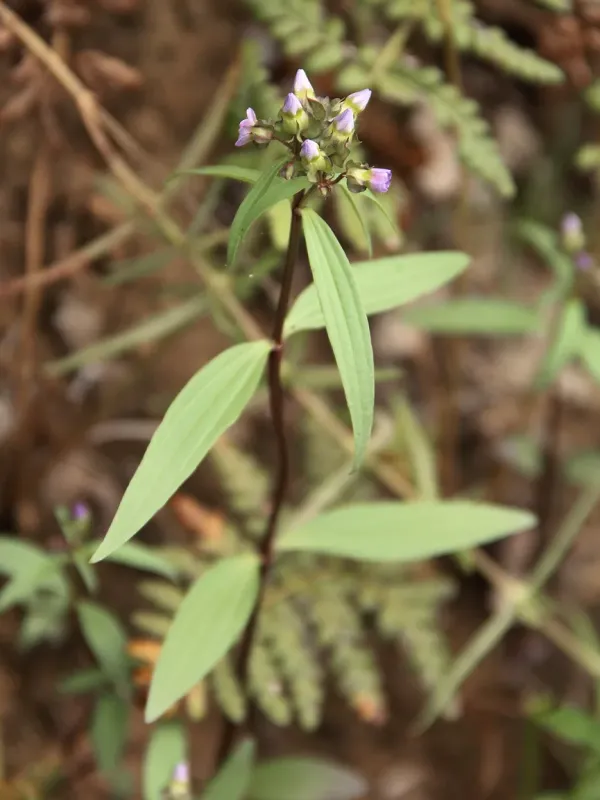
Description
Sowing dates
Exacum oldenlandioides is primarily propagated through seeds. The sowing process typically begins in late winter or early spring to ensure the plants have enough time to establish themselves before the peak summer season.
The seeds require a light, well-draining, and nutrient-rich growing medium. Due to their tiny size, they are sown on the surface of pre-moistened soil without being covered with a heavy layer of substrate, as they need light to germinate.
Maintaining high humidity during the initial germination phase is essential. Covering the containers with glass or plastic film creates a mini-greenhouse environment that protects the delicate seedlings from drying out too quickly.
Once the seedlings develop their first set of true leaves, they are ready for transplanting into individual pots. Careful handling is necessary to avoid damaging the fragile root system during the repotting process.
Belonging to the Gentianaceae family, this species is prized for its compact habit and prolific flowering. It is an ideal subject for indoor cultivation, adding aesthetic value with its vibrant blooms and lush green foliage.
Growing requirements
This plant thrives in bright, indirect light. Placing it near an east or west-facing window provides the necessary sunlight without the risk of leaf scorching caused by harsh direct noon sun exposure.
A stable temperature range of 18 to 22 degrees Celsius is optimal for this species. It is sensitive to extreme temperature fluctuations and cold drafts, both of which can cause premature bud drop and stunted growth.
Consistent moisture is key; the soil should remain damp but never waterlogged. A high-quality drainage layer at the bottom of the pot is crucial to prevent water from accumulating around the roots and causing damage.
Humidity management is vital for the health of Exacum oldenlandioides. In arid indoor environments, utilizing room humidifiers or placing pots on trays filled with damp pebbles will significantly improve the plant's overall vitality.
Regular fertilization with a balanced liquid fertilizer is recommended during the growing season. Applying nutrients every two weeks supports vigorous stem growth and continuous flower production throughout the blooming period.
Main diseases and pests
Spider mites are the most frequent threat to this crop, especially in dry environments. These pests thrive in low-humidity conditions, necessitating regular misting and immediate treatment with acaricides if an infestation is detected.
Aphids may target the succulent tips and flower buds, causing them to wilt or deform. Control measures include using systemic insecticides or manual removal with a mild soap solution applied to the affected areas.
Root rot is a common physiological issue resulting from poor drainage or overwatering. Once rot begins, the plant's ability to absorb water is compromised, often leading to rapid wilting and eventual plant death.
Fungal infections, such as grey mould, can occur in poorly ventilated spaces. Ensuring proper airflow and removing decaying plant material are effective cultural practices to minimize the risk of spreading pathogens.
Proactive monitoring is the best strategy against all threats. By observing the plant regularly, growers can identify early signs of stress or pest presence and intervene before the issue affects the entire plant collection.