
Exacum hybrids
Exacum hybrids
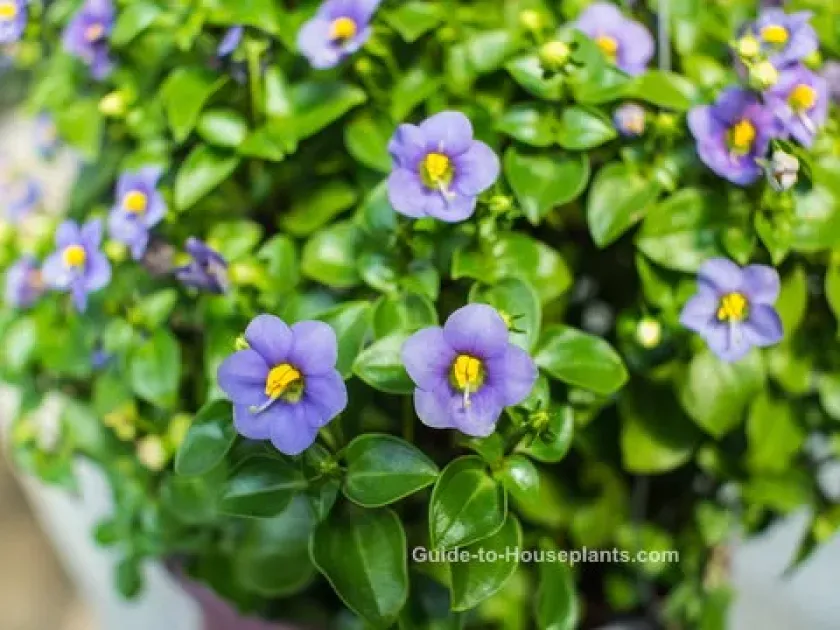
Description
Sowing dates
The sowing of Exacum hybrids seeds is typically performed in late winter or early spring, usually around February or March. The seeds are very small and must be sown on the surface of the growing medium without covering them, as they require light to germinate effectively.
A light, sterile substrate mixture containing peat and sand is ideal for sowing, which must be kept consistently moist throughout the germination phase. Trays should be covered with glass or clear plastic film to maintain high humidity levels and create a greenhouse environment.
The ideal temperature for germination is between 20–22 degrees Celsius. Seedlings usually emerge within 2–3 weeks, after which the covering should be gradually removed to acclimate the young plants to the surrounding conditions.
Pricking out the seedlings should take place once the first two true leaves have developed. Careful handling is essential to avoid damaging the delicate root systems of the young plants during the transplanting process.
To achieve a bushy habit, it is recommended to pinch the tips of the stems once the plants are established. This technique stimulates branching and encourages the development of more flower buds throughout the growing season.
Growing requirements
Exacum hybrids, belonging to the Gentianaceae family, are delicate ornamental plants that require specific environmental conditions to thrive and produce a profusion of blooms.
The plants prefer bright, indirect sunlight, as direct exposure can scorch the delicate foliage and shorten the blooming period. During the summer, it is crucial to avoid overheating and ensure proper air circulation around the plants.
A loose, fertile substrate with a slightly acidic to neutral pH is necessary for optimal growth. Providing a drainage layer in the pot is a critical requirement to prevent waterlogging, which can easily lead to root rot.
The optimal temperature range for vegetation is 18–20 degrees Celsius. The plant is highly sensitive to sudden temperature fluctuations and cold drafts, and it is best kept in cool, stable conditions during the winter, ideally not below 15 degrees Celsius.
Watering should be regular but measured, keeping the soil moist but never waterlogged. During the active growth stage, the plants should be fertilized with a balanced, low-salt mineral fertilizer to support sustained flowering.
Main diseases and pests
Fungal diseases pose the primary threat to Exacum hybrids, usually resulting from excessive soil moisture and poor ventilation in the growing area. Gray mold and various root rots are the most common issues observed.
Common pests such as aphids and spider mites can infest the plants, particularly in environments with low humidity. Regular inspection of the leaves is necessary to detect early signs of infestation and act quickly.
If pests are detected, the immediate use of appropriate insecticides is recommended, although biological controls or mild soap solutions are safer for these sensitive plants.
Preventative measures for disease include strict adherence to a proper watering regimen and ensuring that water does not touch the flowers or leaves directly. Removing wilted flower heads also helps prevent the development of infection sites.
Maintaining strict hygiene standards, such as sanitizing gardening tools and using disinfected potting soil, significantly reduces the risk of pathogens appearing in the cultivation area.