
Canscora decurrens
Canscora decurrens
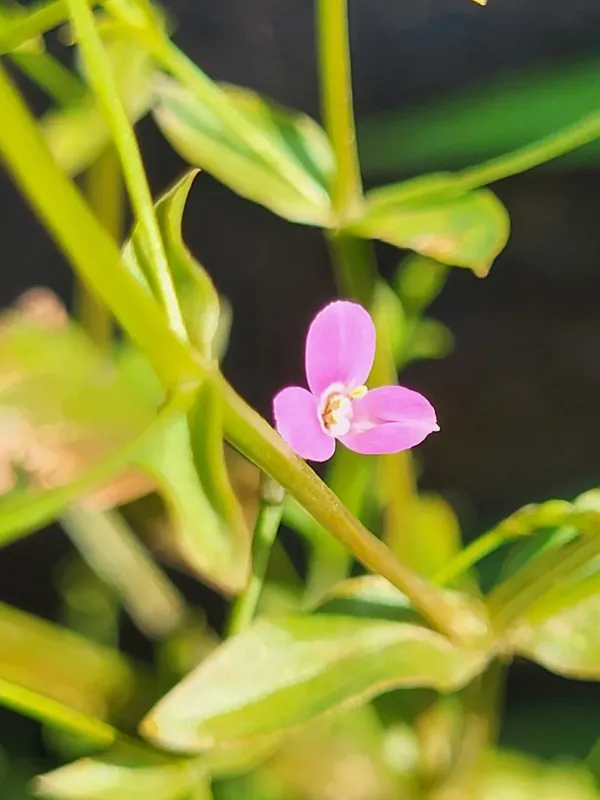
Description
Growing requirements
Canscora decurrens is a specialized herbaceous plant belonging to the Gentianaceae family. It is recognized for its unique adaptation to wetland environments and tropical climates.
The native range of this species extends across tropical regions of Africa and parts of Asia. It typically thrives in marshes, riverbanks, and areas with seasonal flooding where moisture levels remain consistently high throughout the year.
Botanically, the plant is characterized by its decurrent leaves, which extend down the stem to form wing-like structures. These adaptations are highly efficient for maintaining structural integrity and managing water regulation within the plant tissue.
Climatic requirements are strictly tropical, necessitating temperatures between 22 and 30 degrees Celsius. The plant shows limited tolerance for sudden temperature drops or prolonged periods of drought.
For optimal growth, the soil must be nutrient-rich with a high capacity for water retention. A loose, loamy soil structure is preferred to prevent the roots from suffocation while ensuring constant access to dissolved minerals.
Main diseases and pests
Pathogenic threats are primarily centered on fungal infections that thrive in the plant's native humid environment. Root rot caused by oomycetes can significantly reduce crop survival rates if drainage is not managed.
Common pests include aphids and various species of lepidopteran larvae that feed on the foliage. Integrated pest management strategies are essential to protect the biomass from severe defoliation during the peak growth season.