
Sedum Orostachys
Sedum x Orostachys
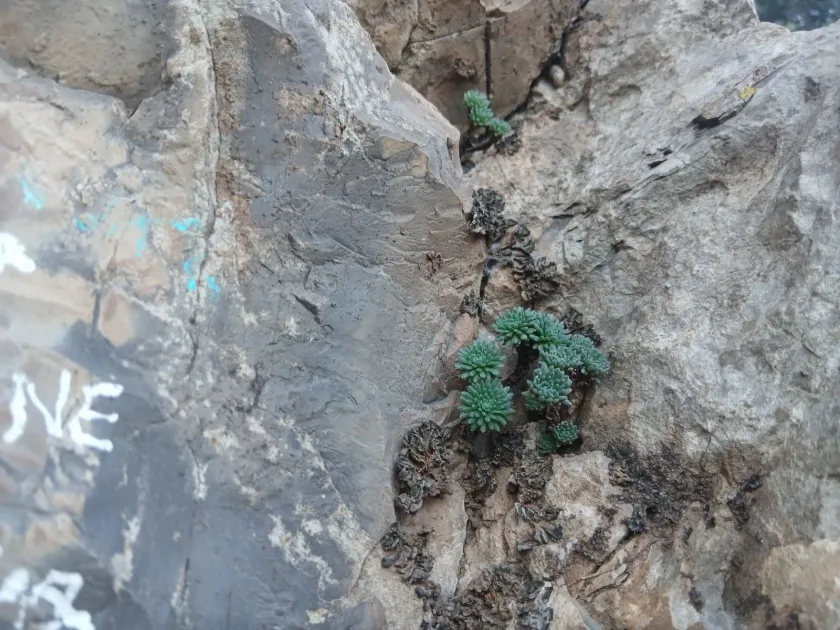
Description
Growing requirements
Sedum x Orostachys is a remarkable hybrid succulent belonging to the Crassulaceae family. These plants are scientifically recognized for their ability to store water within fleshy leaves, which allows them to thrive in harsh, nutrient-poor environments.
The origin of these plants is primarily associated with the mountainous and rocky terrains of East Asia. They have adapted specifically to cliffs and slopes, where soil depth is minimal and mineral composition is high, making them excellent candidates for rock gardens.
Regarding light requirements, full sun is essential for the plant to maintain its structural integrity. Adequate sunlight prevents etiolation, ensuring that the characteristic rosette form remains compact and aesthetically pleasing throughout the season.
Soil management for this culture requires a high-drainage approach. A mixture consisting of coarse sand, perlite, or crushed rock mixed with a minimal amount of organic substrate is recommended to prevent waterlogging.
These plants are highly tolerant of drought conditions but require careful winter management. In regions with high humidity and freezing temperatures, protecting the crown from excessive moisture is vital for survival.
Main diseases and pests
Root rot remains the most critical threat to Sedum Orostachys health. It is almost exclusively caused by poor drainage or overwatering, which facilitates the rapid spread of soil-borne fungal pathogens.
Mealybugs are the primary pests that affect these succulents. They frequently hide between the dense leaf scales, making early detection difficult and requiring persistent use of contact or systemic insecticides.
Fungal leaf spots can occur when the air circulation is insufficient. High humidity combined with stagnant air promotes the development of grey mold, which can rapidly destroy the rosette core.
Root-knot nematodes can impact plant vigor in neglected garden soils. Signs of an infestation include stunted growth and chlorotic leaf development, which are hard to reverse without soil treatment.
Preventative measures should focus on maintaining a dry microclimate around the base of the plant, regular inspection of leaf axils, and ensuring that no moisture is left on the foliage during cooler evening hours.