
Hairy stonecrop
Sedum villosum
Description
Growing requirements
Hairy stonecrop (Sedum villosum) is a small succulent belonging to the Crassulaceae family. Unlike many popular Sedum species that thrive in arid conditions, this plant is an annual or biennial herb that prefers moist and cooler environments.
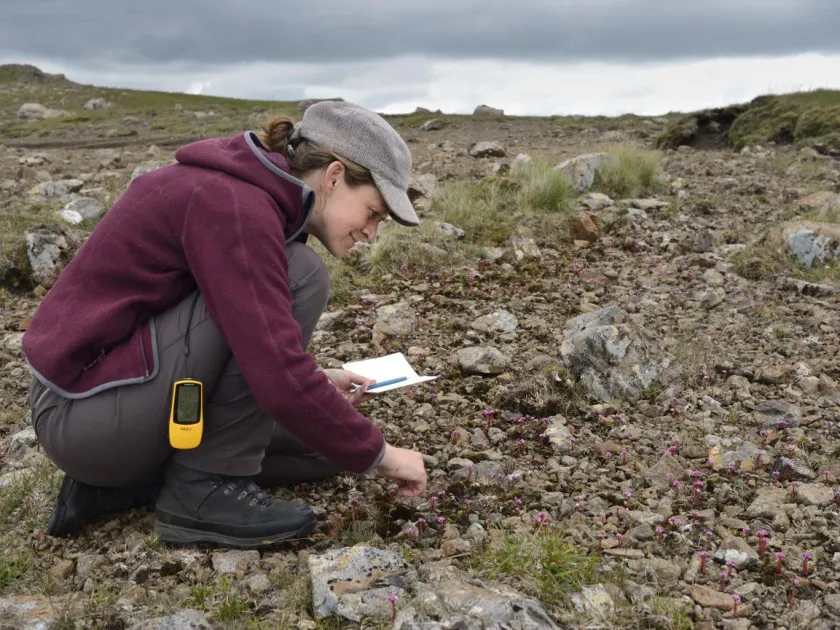
The natural habitat of the species is primarily found in the mountainous and boggy regions of Europe, including the Alps and northern latitudes. It is often observed growing near streams and on damp rocky slopes where soil nutrient levels are naturally low but drainage is efficient.
The plant is characterized by its glandular hairs covering the stems and leaves, which gives it a distinct texture. It forms low mats of foliage and produces small, star-shaped pink flowers during the summer months, providing a unique aesthetic in specialized botanical collections.
Successful cultivation requires a climate with moderate temperatures and consistent moisture levels. The plant does not tolerate prolonged drought or intense heat, which are common stressors that often lead to stunted growth or premature expiration of the biennial cycle.
The ideal growing medium should be a mixture of fine sand and organic humus with a slightly acidic to neutral pH. Proper soil structure is essential to allow for the respiration of the roots while maintaining the humidity levels necessary for this specific succulent variety.
Main diseases and pests
Fungal pathogens represent the most significant threat to the health of the Hairy stonecrop. In conditions of poor ventilation and excessive moisture, root and stem rot can spread rapidly, destroying the succulent tissue before it can be effectively treated.
Insects such as aphids and spider mites are known to infest the plant during the early growth stages. Integrated pest management, focusing on early detection and biological control methods, is recommended to keep infestations at a manageable level without damaging the delicate plant structure.
Competition from fast-growing weeds is a major constraint in agricultural and horticultural settings. Because Sedum villosum is relatively slow-growing and small in size, regular manual weeding is essential to ensure that the plant receives adequate light and space.
Environmental fluctuations, particularly sudden spikes in temperature, can significantly affect the plant's metabolism. Protecting the plantings with light shading or using mulch can help stabilize the ground temperature and prevent thermal shock to the root system.
To maintain a healthy crop, growers should strictly adhere to sanitation practices, including the removal of any diseased plant material immediately upon discovery. This limits the spread of spores and pests throughout the planting area, ensuring the long-term viability of the population.