
Sedum subulatum
Sedum subulatum
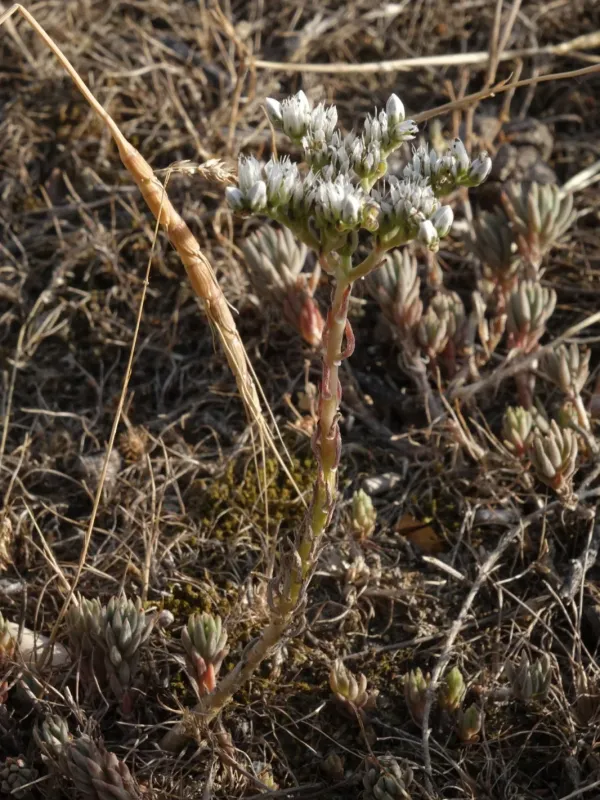
Description
Growing requirements
Sedum subulatum is a perennial succulent belonging to the Crassulaceae family. It is recognized for its distinctive awl-shaped leaves and its remarkable ability to thrive in harsh environments, making it a popular choice for ground cover applications.
Originating from rocky terrains, this plant is evolutionary adapted to survive in thin soils and varying moisture levels. Its succulent nature allows it to store water in its tissues, providing a buffer against drought conditions.
Optimal growth requires well-drained, sandy, or rocky soil with full sun exposure. The plant does not tolerate waterlogged conditions, which can lead to fungal issues and root rot, so site selection must prioritize excellent water drainage.
The plant is highly adaptable to various climatic zones, showing significant cold hardiness and heat tolerance. It acts as a reliable year-round ground cover that requires minimal manual intervention or maintenance once established.
In landscaping, it is utilized for rock gardens, green roofs, and erosion control on embankments. Its rapid growth and mat-forming habit help in naturally suppressing invasive weeds within its surrounding area.
Main diseases and pests
The primary threat to the health of Sedum subulatum is excessive humidity, which encourages fungal pathogens. Root and stem rots are common consequences of poor soil drainage or excessive irrigation during cool weather.
Pests such as aphids and vine weevils can cause significant damage to the plant. Aphids tend to colonize the tender tips, while weevil larvae can feed on roots, potentially weakening the entire colony if not addressed early.
Root-knot nematodes are a serious concern for many succulents, as they affect nutrient uptake and vigor. Healthy planting practices and avoiding contaminated soil are the best defensive strategies against these microscopic threats.
Slugs and snails often feed on the succulent leaves, particularly in damp or shaded conditions. Implementing physical barriers or organic deterrents can protect the foliage from aesthetic damage.
Effective management includes regular monitoring for early signs of distress, ensuring adequate airflow between plants, and practicing proper hygiene to prevent the spread of diseases among dense succulent patches.