
Sedum sekiteiense
Sedum sekiteiense
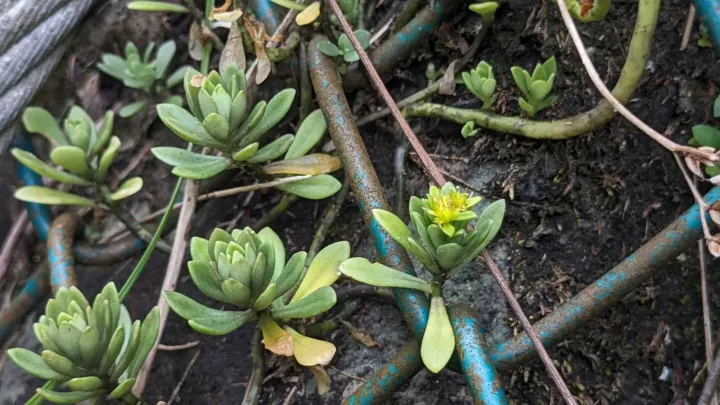
Description
Growing requirements
Sedum sekiteiense is a perennial succulent plant belonging to the Crassulaceae family. This species is highly valued for its water-storing capabilities, allowing it to thrive in arid environments and challenging soil conditions.
The plant is native to the rocky regions of East Asia, particularly Japan. It is perfectly adapted to growing in thin, nutrient-poor, and stony substrates where competition from other vegetation is minimal.
Proper lighting is crucial for this succulent; it requires bright, direct, or filtered sunlight to maintain its characteristic structure. In low-light conditions, the stems tend to etiolate, losing their compact and aesthetic appearance.
The growing medium must provide excellent drainage. A mixture containing pumice, coarse sand, and a small amount of potting soil is ideal for preventing moisture retention, which is the primary cause of root failure.
Climate preferences involve a cycle of active growth during warm seasons and a period of dormancy during cooler months. Providing a distinct temperature drop at night during the growing season helps the plant develop healthy, dense tissue.
Main diseases and pests
The most significant threat to Sedum sekiteiense is root rot, typically resulting from improper watering practices. Overwatering, especially in poorly drained soil, leads to rapid decay of the vascular system.
Pests such as mealybugs can infest the plant, hiding in the crevices between leaves. Spider mites may also occur if the humidity levels drop significantly and air circulation is insufficient for extended periods.
To manage diseases, ensure that any dead or decaying foliage is removed promptly. This hygiene practice prevents the establishment of fungal colonies that can spread to healthy parts of the plant.
If chemical intervention is necessary to control pests, it is essential to use products specifically formulated for succulents to avoid damaging the leaf cuticle. Biological controls are generally preferred to maintain plant health.
Proper air ventilation is an effective preventative measure against both fungal and bacterial issues. Ensuring that moisture does not remain on the surface of the leaves after watering significantly reduces the risk of infection.