
Sedum sedoides
Sedum sedoides
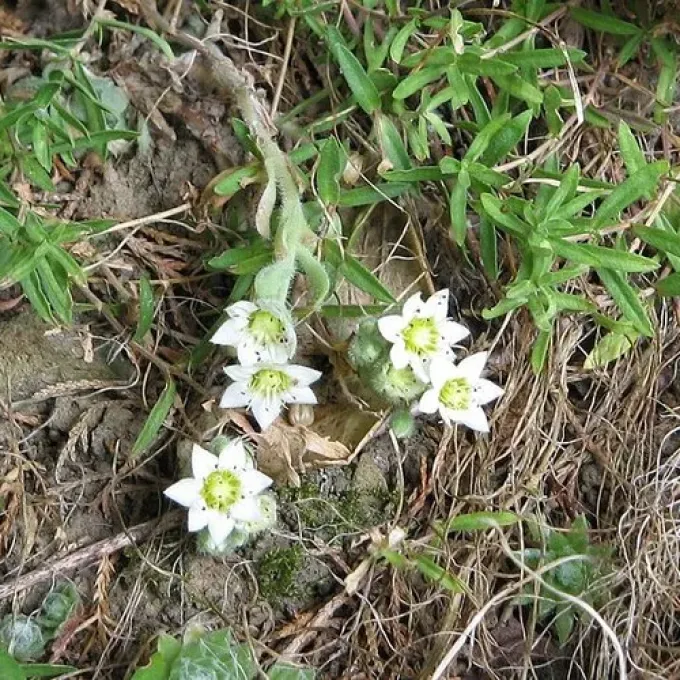
Description
Growing requirements
Sedum sedoides is a resilient succulent plant belonging to the Crassulaceae family. Originally native to rocky, high-altitude regions, this species has evolved to thrive in nutrient-poor soils where moisture availability is often limited to seasonal precipitation.
The plant is characterized by its succulent, water-storing leaves and compact growth habit, which allows it to adapt perfectly to harsh conditions. Its shallow but efficient root system is designed to anchor the plant in rocky substrates while capturing surface moisture quickly.
In terms of agricultural requirements, the crop demands exceptional drainage to prevent root rot, which is the primary cause of plant loss. Sandy or gravelly soils are optimal, as they mimic the natural environment of the species and ensure adequate air circulation around the roots.
Climate adaptability is one of the key strengths of Sedum sedoides, as it is highly resistant to both intense heat and freezing temperatures. It performs best under full sun exposure, which encourages denser foliage and promotes the plant's natural health and vibrancy.
Economic and landscaping applications include the use of this plant as a drought-tolerant ground cover, in green roof installations, and for soil stabilization on steep embankments. Its minimal maintenance needs and low input requirements make it an efficient choice for large-scale gardening.
Main diseases and pests
The most significant threats to the crop include various fungal diseases that develop when plants are exposed to prolonged dampness or stagnant water. Root rot is particularly problematic, often exacerbated by poorly draining, compacted soil conditions.
Pest pressures are generally low but can include infestations by aphids or mealybugs during the peak growth season. Effective management relies on proper site selection and spacing to ensure airflow, complemented by periodic inspections and targeted applications of pesticides if necessary.