
Sedum sasakii
Sedum sasakii
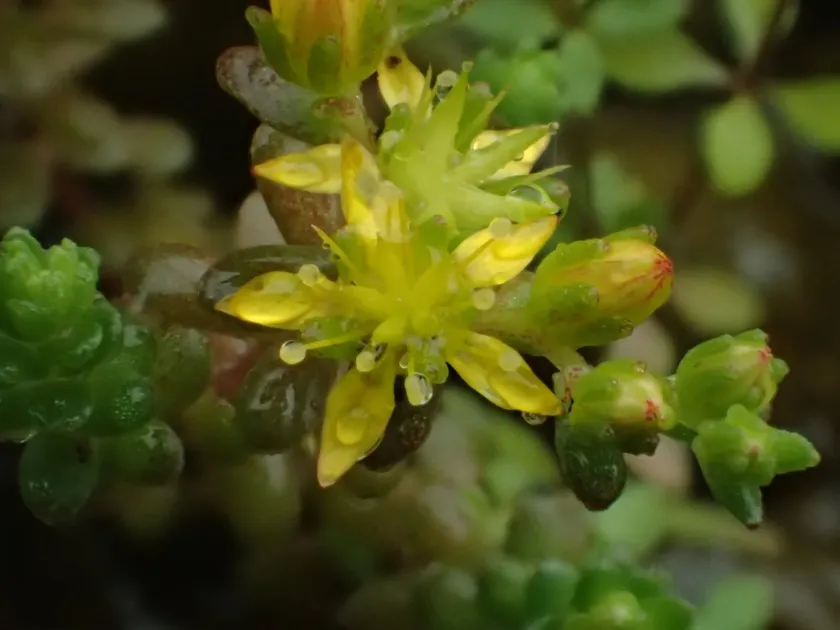
Description
Sowing dates
Sedum sasakii is a succulent perennial species belonging to the Crassulaceae family. Widely recognized for its aesthetic appeal and resilience, this plant is primarily used as a groundcover in landscaping, rooftop gardening, and sustainable rock garden design.
Propagation is most efficiently achieved through cuttings during the active growth phase in late spring or early summer. Cuttings should be allowed to form a callus for a day or two before being placed in a well-draining, sandy medium to ensure successful rooting.
Seed propagation is also possible but requires a cold stratification process lasting approximately four to six weeks. Seeds should be sown on the surface of a fine-textured substrate, as they are light-dependent for germination and need consistent but not excessive moisture.
Proper spacing is crucial when planting to allow for sufficient air circulation. Depending on the intended coverage density, planting intervals should be carefully maintained to prevent competition for nutrients and light among the young succulent specimens.
In a controlled nursery environment, young plants are typically maintained at temperatures ranging from 20°C to 24°C. Once the root system is established, hardening-off is necessary before transferring the plants to outdoor, full-sun exposure conditions.
Growing requirements
The primary environmental requirement for Sedum sasakii is full sun exposure. Inadequate light levels will result in leggy growth, loss of vibrant coloration, and an overall decrease in the plant’s structural integrity and resistance to environmental stress.
Soil composition must prioritize drainage above all else. A porous substrate consisting of coarse sand, perlite, and a small fraction of organic matter is ideal. Heavily compacted, water-retentive soils will inevitably lead to root decay and rapid plant decline.
Water management is critical. The plant is highly drought-tolerant, utilizing water stored in its fleshy leaves. Irrigation should only occur when the substrate has completely dried out, following a thorough soaking method that prevents water from splashing onto the foliage.
Temperature range tolerance is broad, but the plant is sensitive to severe frost. In areas where temperatures drop significantly below freezing for prolonged periods, protective mulching or relocation to a protected site is required for winter survival.
Nutrient requirements are minimal. Over-fertilization, especially with nitrogen-heavy compounds, stimulates soft, succulent growth that is highly susceptible to mechanical damage and pest attacks. A balanced, low-concentration fertilizer is sufficient if applied once annually.
Main diseases and pests
Root rot, caused by fungal pathogens in waterlogged soils, is the most significant threat to Sedum sasakii. Symptoms include yellowing of the leaves, softening of the stem, and sudden collapse of the plant structure as the root system fails.
Pests such as mealybugs and spider mites are frequent invaders in sheltered or greenhouse conditions. They thrive in dry, stagnant air, extracting sap from the plants and leaving behind honeydew that encourages the growth of sooty mold.
- Maintain good hygiene by removing dead foliage and debris from around the base of the plant.
- Use horticultural oils or neem-based treatments for early-stage pest control while avoiding harsh chemical pesticides that may damage succulent tissues.
To prevent disease transmission, always sterilize pruning tools between different plants. This is essential, as succulent stems are easily wounded and become entry points for bacterial and fungal infections during the propagation process.
Proper environmental management is the best defense. By optimizing light exposure and ensuring excellent drainage, the plant naturally strengthens its physiological resistance to most common pests and secondary infections found in ornamental gardening.