
Sedum pedicellatum
Sedum pedicellatum
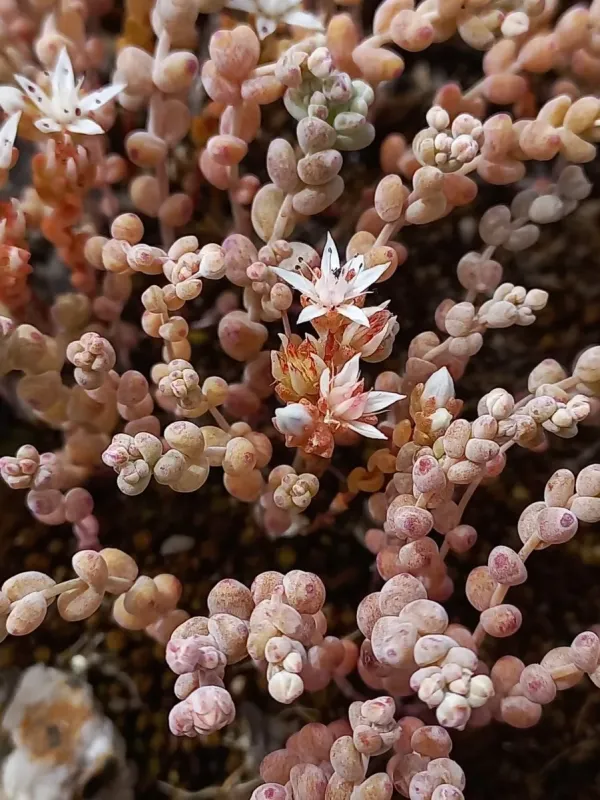
Description
Growing requirements
Sedum pedicellatum belongs to the Crassulaceae family, a group of succulent plants known for their extreme resilience. This species has evolved to thrive in arid environments, utilizing its thick leaves to store water for survival during long dry spells.
The culture requires high sun exposure to maintain its compact growth habit and natural coloration. Partial shade or insufficient light typically leads to etiolation, where the stems become weak and elongated, reducing the plant's overall vigor.
Optimal soil conditions include well-draining, gravelly, or sandy textures. Poor drainage is the primary cause of failure, as the root system of Sedum pedicellatum is highly sensitive to waterlogging and subsequent root rot.
This plant is well-adapted to temperature fluctuations, showing significant tolerance to both high summer temperatures and cooler intervals. It does not require high levels of soil fertility; in fact, overly rich soil can inhibit its drought-adaptive mechanisms.
Agricultural management is relatively low-input. Maintenance revolves around controlling opportunistic weeds that might compete for sunlight in the early establishment phase, as the plant is slow-growing in its juvenile stage.
Main diseases and pests
Fungal pathogens, particularly those causing root and crown rot, are the most significant threats to Sedum pedicellatum. These infections are almost always associated with improper irrigation practices or water-retentive soils that lack sufficient aeration.
Insects like aphids and mealybugs can colonize the plant, focusing on the succulent leaves and stems. Their feeding weakens the plant and leaves small lesions that can subsequently become infected by bacteria or secondary fungi.
Powdery mildew is another risk factor, especially in areas with stagnant air or high humidity levels. Increasing spacing between individual plants is a recommended cultural practice to ensure adequate airflow and prevent spore germination.
Gastropod pests, including slugs and snails, pose a physical threat to young or soft tissue, particularly during rainy seasons. Protection strategies include barrier methods or organic molluscicides to minimize damage to the vegetation.
Successful protection relies on proactive monitoring. Regular inspections of the canopy and the crown area help identify early symptoms of infestation or decay, allowing for localized treatment before the issue spreads across the entire field.