
Sedum palmeri
Sedum palmeri
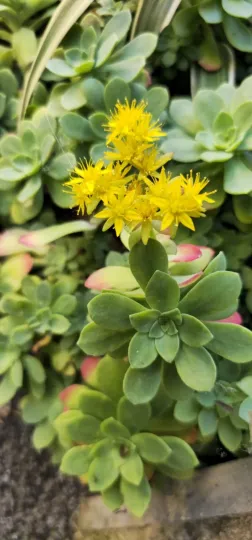
Description
Sowing dates
Propagation of this culture is primarily achieved through vegetative methods, such as stem cuttings, as seeds often exhibit low viability. The best time for propagation is late spring or early summer during the peak growth phase.
Cuttings should be allowed to dry for 24 hours before planting, which allows the cut surface to callus over. This step is crucial to prevent rotting when the cutting is placed in contact with moist growing media.
When planting outdoors, wait until all risk of frost has passed. Soil temperatures should ideally be above 15 degrees Celsius to encourage rapid root development in the new plants.
For seed propagation, surface sow in containers during March. Seeds should not be buried but rather pressed gently into the substrate and covered with a clear lid or plastic to maintain humidity until germination.
Seedlings should be pricked out once the first true leaves appear. Transplantation to a permanent location should occur in late May, maintaining a spacing of 20 to 30 centimeters to ensure adequate airflow.
Growing requirements
Sedum palmeri is a perennial succulent belonging to the Crassulaceae family, native to the mountainous regions of Mexico. It is valued for its resilience and ability to thrive in harsh environments.
The plant requires well-draining soil, ideally a sandy or rocky mix with a neutral to slightly alkaline pH. Proper drainage is essential, as waterlogged conditions quickly lead to root rot.
This species is highly light-demanding and thrives in full sun. Insufficient light results in elongated stems and loss of the tight, rosette-like growth habit that defines its aesthetic appeal.
It displays remarkable drought tolerance due to the water-storing tissues in its succulent leaves. Supplemental watering is only required during extreme heat or prolonged dry spells.
While adapted to temperate climates, the plant can tolerate short periods of freezing temperatures down to -10 degrees Celsius, provided the soil remains dry during these cold events.
Main diseases and pests
The most common issues for this plant are root and stem rots caused by overwatering. These conditions are exacerbated by high humidity and heavy, poorly draining soil types.
Mealybugs are the primary pest concern, as they feed on the sap and hide within the dense leaf rosettes. Infestations can lead to stunted growth and weakened plant immunity.
Aphids can also colonize the plant, particularly during the flowering stage. Systemic insecticides may be used, though careful timing is required to avoid impacting beneficial pollinators.
Slugs and snails may damage the fleshy leaves during wet seasons. Creating a barrier with gravel or using specialized bait stations is an effective way to protect the plant from these mollusks.
Disease prevention is managed through good cultural practices: ensuring proper drainage, avoiding overhead watering, and removing any decaying foliage to prevent fungal outbreaks.