
Sedum nudum
Sedum nudum
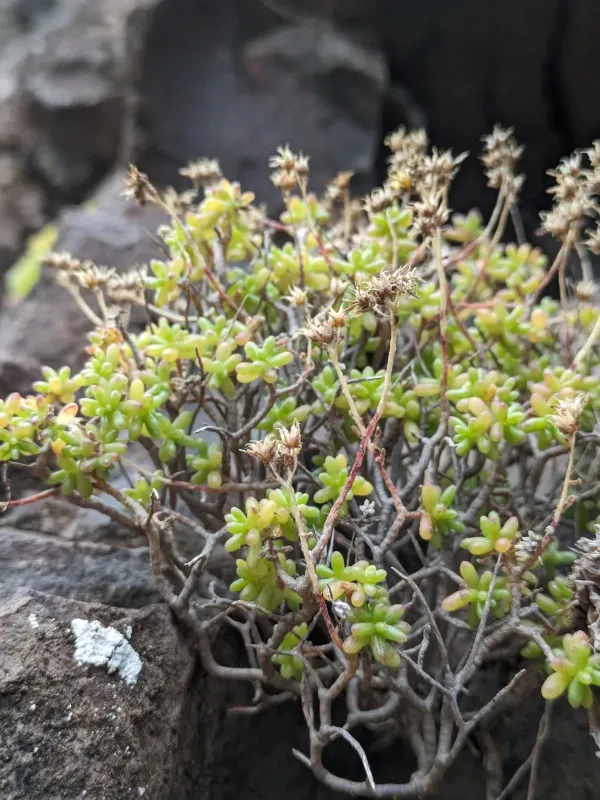
Description
Sowing dates
Propagation of Sedum nudum is primarily achieved through vegetative methods, such as division or stem cuttings, as the seeds often exhibit variable germination rates in wild environments. Spring is the ideal time to start new plants while they transition out of winter dormancy.
Cuttings should be placed in well-draining, moist substrates in mild temperatures, avoiding harsh direct sunlight during the initial rooting period. A robust root system typically establishes within two to three weeks under consistent care.
Seed sowing is conducted in shallow containers with a fine, gritty medium in late winter. Due to the minute size of the seeds, they are sown on the surface and kept covered to maintain a humid microclimate until germination occurs.
Young seedlings and freshly planted cuttings require careful moisture management, as they are susceptible to fungal rot if the soil remains constantly waterlogged. Proper ventilation is essential for health.
Transplanting into final outdoor locations is reserved for periods when all danger of frost has passed, ensuring the plants can establish themselves before the onset of extreme seasonal temperatures.
Growing requirements
Sedum nudum belongs to the Crassulaceae family and is a specialized succulent perfectly adapted to arid, harsh conditions. It thrives in well-drained, sandy, or rocky soils that are relatively low in organic nutrients.
The most critical requirement for success is full sun exposure. In low-light environments, the stems become etiolated and leggy, losing their characteristic compact habit and vibrant leaf coloration.
This species is highly drought-tolerant, utilizing its succulent tissues to store water. However, for optimal horticultural performance, consistent and moderate watering during the active growing season is recommended.
Water stagnation is the primary cause of plant failure in non-native habitats. Therefore, ensuring high-quality drainage using gravel or coarse sand is necessary when planting in dense or clay-heavy soils.
The species prefers temperatures between 18 and 25 degrees Celsius. While it is hardy in many climates, it may require protection or indoor cultivation in regions prone to severe, prolonged freezing temperatures.
Yield
The agricultural and ornamental value of Sedum nudum is found in its utility as a groundcover plant for xeriscaping and sustainable landscape design in arid or rocky terrains.
It forms dense, spreading mats that effectively suppress invasive weeds and protect topsoil from erosion, making it an excellent candidate for stabilizing slopes and pathways.
Growth rates are proportional to light intensity and drainage quality. In optimal conditions, a single colony can spread rapidly, providing full ground coverage within a single growing season.
In rock gardens and Alpine-style landscapes, the plant provides a consistent textural element that remains visually appealing throughout the entire growing year with minimal intervention.
From an agricultural management perspective, this plant is categorized as low-maintenance, requiring minimal labor, no fertilizers, and no specialized machinery to thrive once established.
Main diseases and pests
The most common threats to Sedum nudum are fungal pathogens such as powdery mildew and various root rots, which thrive in environments with poor air circulation or excess humidity.
Common pests include aphids and mealybugs, which may infest the dense foliage and succulent stems, weakening the plant by extracting essential sap during the growing season.
- Overwatering leading to chronic root rot and tissue collapse.
- Insufficient light resulting in etiolated and weak growth habits.
- Pest outbreaks during periods of high humidity and heat.
Integrated pest management, including the use of systemic insecticides at reduced concentrations, is effective, though care must be taken to avoid damaging the plant's delicate epidermis.
Proactive disease management relies on maintaining strict watering intervals, ensuring maximum air movement, and performing regular sanitation to remove any dead or decaying plant material.