
Nevada stonecrop
Sedum nevadense
Description
Growing requirements
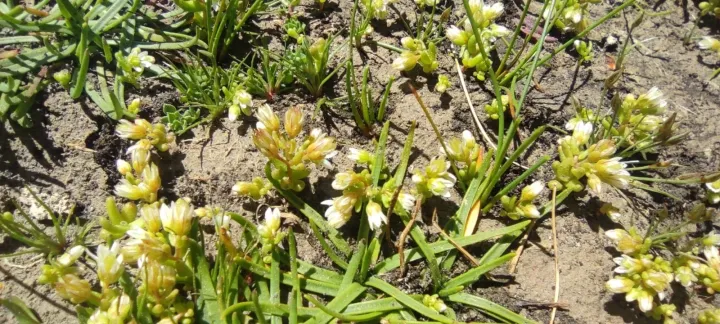
Nevada stonecrop (Sedum nevadense) is a perennial succulent belonging to the Crassulaceae family. Native to mountainous terrain, it has evolved to thrive in nutrient-poor, rocky environments where few other plants can survive.
The culture requires excellent soil drainage to maintain its health. Ideally, it should be planted in sandy or gravel-rich substrates. Proper drainage is the most critical factor, as stagnant water will quickly cause the root system to decay.
This plant is a heliophile, meaning it requires full sun exposure to flourish. While it can handle harsh environmental conditions such as high winds and temperature fluctuations, it will lose its compact habit if kept in shade.
The plant is highly drought-tolerant, making it an excellent choice for low-maintenance landscaping projects. It does not require frequent fertilization; in fact, over-fertilizing can lead to weak, elongated growth that is susceptible to damage.
In terms of propagation, Nevada stonecrop can be easily multiplied through stem cuttings or division. It serves as an ideal ground cover for rock gardens, crevice plantings, and dry slopes where soil moisture is minimal.
Main diseases and pests
The most significant threat to Nevada stonecrop is root rot, which typically stems from overwatering or inadequate soil permeability. Maintaining a dry environment for the roots is essential for preventing this fatal condition.
Powdery mildew can occasionally affect the foliage, especially in humid or poorly ventilated areas. Regular monitoring and the application of appropriate fungicides can effectively manage this problem if detected early.
Slugs and snails are known to feed on the fleshy leaves, especially during wet springs. Surrounding the plants with a barrier of grit or sharp gravel is a common horticultural practice to deter these pests from reaching the foliage.
Aphids may sometimes infest the inflorescences, sucking sap and reducing the plant's vigor. In most garden scenarios, these pests can be managed with a strong spray of water or the use of insecticidal soap.
To ensure the longevity of the plant, gardeners must avoid overhead watering, which can trap moisture between leaves and promote fungal infections. Providing ample air circulation is the best preventive measure against almost all biological threats.