
Sedum multiceps
Sedum multiceps
Description
Growing requirements
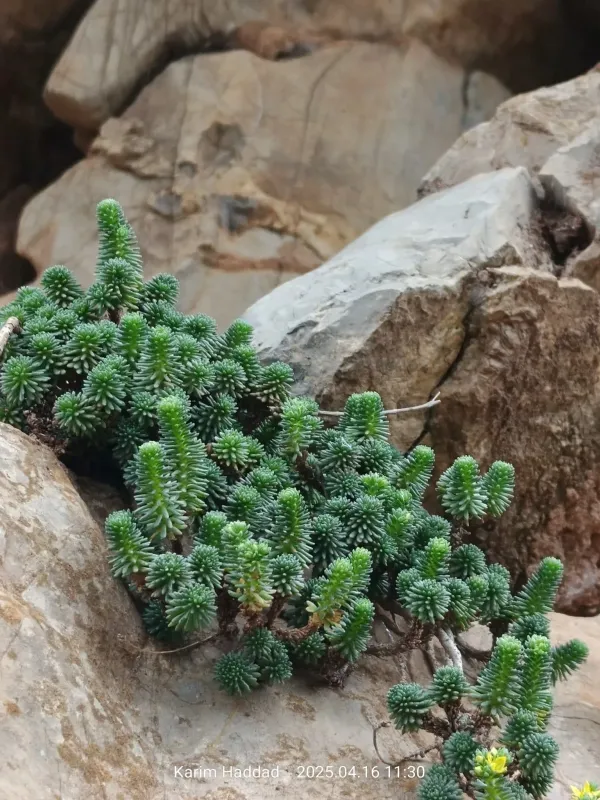
Sedum multiceps is a small succulent plant belonging to the Crassulaceae family. It is widely recognized for its unique habit of growth, which resembles a miniature, multi-branched tree, making it a highly desirable specimen for miniature landscapes and rock gardens.
Native to the mountainous regions of Algeria, this species has adapted to thrive in harsh, nutrient-poor conditions. Its botanical architecture involves woody stems that form dense, slow-growing mats, adding texture and aesthetic appeal to any arid gardening project.
For successful cultivation, the plant requires a full-sun exposure. Adequate light is essential for maintaining the plant's compact, shrub-like appearance. In low-light environments, the stems tend to stretch out, compromising the plant's structural integrity and visual charm.
The soil requirements are strict regarding drainage. A porous, well-draining mineral mix, similar to those used for cacti, is ideal. Providing a substrate with high mineral content ensures that the roots do not sit in damp conditions, which is critical for the plant's longevity.
Sedum multiceps is highly drought-tolerant, capable of surviving long periods without additional irrigation. While it can withstand moderate temperature fluctuations, it prefers dry winter conditions. In colder climates, protection from frost and excessive winter rain is mandatory.
Main diseases and pests
The primary health threat to Sedum multiceps is root rot caused by poor soil drainage and overwatering. Ensuring the substrate dries out completely between waterings is the most effective management strategy to prevent fungal pathogens from attacking the root system.
Pest issues often involve mealybugs, which tend to hide in the tight spaces between the branches and leaves. Regular monitoring and the application of systemic or contact insecticides, if necessary, are recommended to maintain the plant in a healthy, pest-free state.