
Sedum multicaule
Sedum multicaule
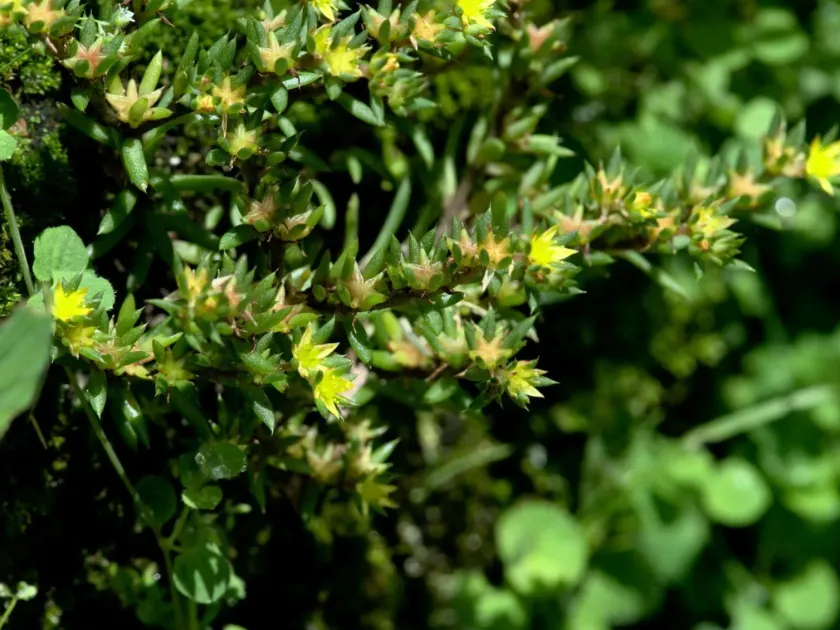
Description
Sowing dates
Sedum multicaule is a perennial succulent plant belonging to the Crassulaceae family. It is known for its resilience and ability to thrive in poor, rocky environments, making it a unique agricultural subject.
Sowing should be performed in early spring. Given the extremely small size of the seeds, they are scattered on the surface of the soil and pressed down gently without covering, as they require light to germinate.
Vegetative propagation is widely used in field conditions. Taking stem cuttings is highly efficient; these cuttings root easily in sandy substrates when provided with moderate humidity.
The plant demonstrates rapid growth patterns once established, allowing it to cover vast areas if managed correctly. This makes it suitable for ecological projects and specialized horticultural applications.
For optimal germination, a stable temperature between 18°C and 22°C is essential. Maintaining a consistent, light moisture level is crucial during the first month after planting.
Growing requirements
Sedum multicaule requires full sun exposure to maintain its compact growth form. Inadequate light levels will cause the plant to become leggy and less productive.
The plant is highly drought-tolerant, storing water in its succulent leaves. It thrives on sandy, gritty, or rocky soils that offer excellent drainage, which is the most critical factor for success.
Soil pH should ideally be neutral or slightly acidic. Heavy clay soils must be amended with grit or perlite to prevent the root rot that results from waterlogged conditions.
Nutrient requirements are very low. Excessive fertilization, particularly with nitrogen, is detrimental as it promotes soft growth that is more susceptible to disease and winter damage.
Regular maintenance involves keeping the area free of invasive weeds, as Sedum multicaule can struggle against aggressive weeds during its establishment phase.
Main diseases and pests
Fungal pathogens are the primary threat to the crop, especially in regions with high humidity or poor air circulation. These pathogens typically manifest as stem or root rots.
Aphids and spider mites are common pests that feed on the succulent tissues. Infestations are most frequent during periods of stress, such as intense heat or drought.
- Monitor for discoloration of the leaves.
- Ensure adequate spacing between plants to improve airflow.
- Remove and destroy any heavily infested plant material.
Pest management should focus on biological control whenever possible. Avoid broad-spectrum pesticides, as the succulent cuticle may be sensitive to certain chemical additives.
Preventive measures include careful irrigation management and the removal of plant debris from the field, which can serve as a breeding ground for pests and pathogens.