
Montreal stonecrop
Sedum monregalense
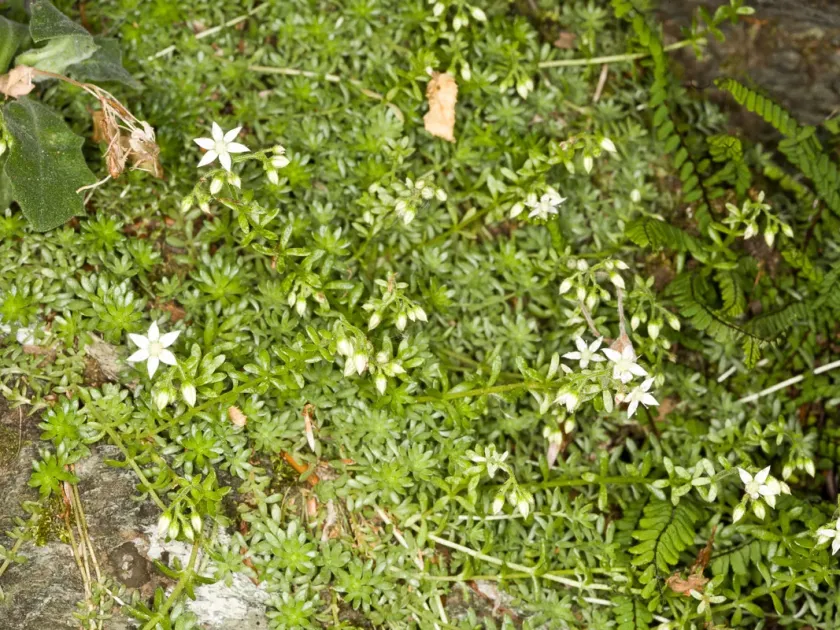
Description
Growing requirements
Sedum monregalense, commonly known as Montreal stonecrop, is a low-growing perennial succulent belonging to the Crassulaceae family. It is highly valued in horticulture for its resilience and ability to form intricate, ground-hugging mats in challenging environments.
Originating from the Mediterranean mountains and parts of Southern Europe, this species thrives in well-draining rocky or sandy substrates. Its evolution in mountainous regions has endowed it with high adaptability to poor soil conditions where other plants might struggle.
Full sunlight is the most significant requirement for the health of Montreal stonecrop. Exposure to bright light maintains the plant's structural integrity and prevents the stems from becoming etiolated, ensuring a dense and vibrant aesthetic appearance.
The plant demonstrates remarkable drought tolerance due to its water-storing tissues. Once established, it requires minimal irrigation, making it an excellent choice for low-maintenance landscaping and sustainable xeriscaping projects.
Regarding soil, the primary concern is preventing water stagnation. Gardeners should ensure that the planting site has excellent drainage, perhaps by incorporating grit or coarse sand into the top layer of the soil profile.
Main diseases and pests
The most common threat to Montreal stonecrop is overwatering, which typically leads to root rot or fungal infection of the base stems. Maintaining a dry environment around the plant collar is essential for long-term survival.
Pests such as aphids and mealybugs can occasionally colonize the soft tips of the stems. If left unchecked, these insects can sap the plant's vigor, necessitating the use of targeted horticultural soaps or systemic pesticides.
Fungal diseases like powdery mildew may appear in areas with high humidity and stagnant air. Enhancing airflow through proper spacing during the initial planting phase is the most effective preventive measure against such outbreaks.
Gastropods, including slugs and snails, find the succulent leaves highly palatable. In areas with high mollusk populations, protective barriers or organic deterrents are recommended to preserve the visual appeal of the stonecrop patches.
Winter care is vital in cooler zones, as the plant may suffer from crown rot if exposed to standing water during freeze-thaw cycles. Ensuring the plants are in a slightly elevated position can help minimize these risks significantly.