
Sedum microcarpum
Sedum microcarpum
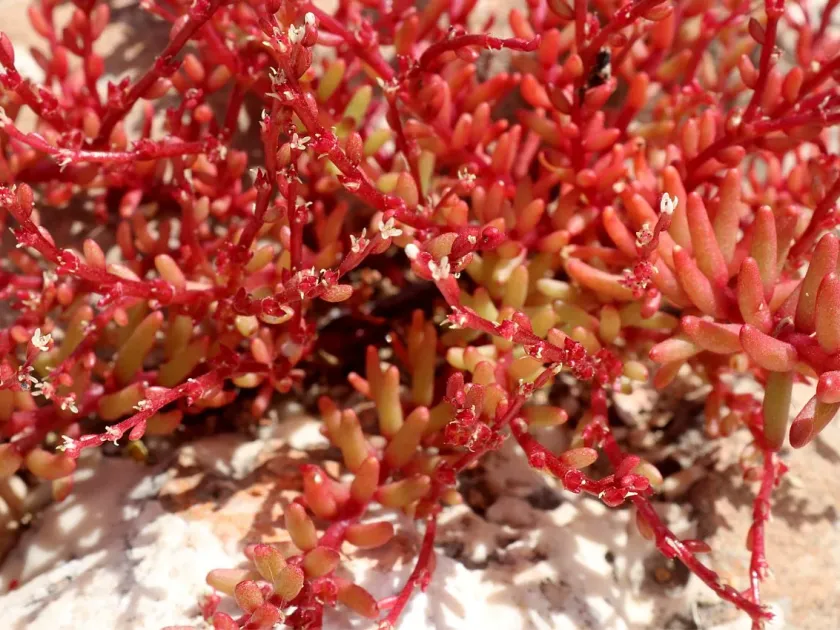
Description
Sowing dates
Sedum microcarpum is a low-growing succulent belonging to the Crassulaceae family. It is widely valued in horticulture for its resilience and ability to form dense, attractive ground covers in xeriscaping projects.
Propagation is typically done via seed sowing or stem cuttings. Seeds are sown in early spring in a very light, well-draining sandy substrate. They require surface sowing as they need light to germinate successfully.
Stem cuttings are a faster and more reliable method for many growers. Cuttings should be allowed to callus for 24 hours before being placed into a prepared mineral-based rooting medium to prevent rot.
For ground cover applications, planting density should be adjusted to allow for natural spreading. A spacing of approximately 15 to 20 centimeters between plants ensures a solid mat cover within one growing season.
Initial establishment requires moderate moisture levels. Once the root system is well-developed, usually within four to six weeks, the irrigation frequency should be drastically reduced to mimic native arid conditions.
Growing requirements
This species thrives in full sun exposure. Adequate light is essential to prevent etiolation, where the plant stems become long and weak, compromising its structural integrity and ornamental appearance.
The soil must be inorganic, sandy, or rocky, providing excellent drainage. Sedum microcarpum is highly sensitive to waterlogged conditions, which can lead to rapid decay of the delicate root system.
The plant is adapted to nutrient-poor soils and does not require frequent fertilization. If growth appears stagnant, a diluted low-nitrogen liquid fertilizer may be applied at the start of the growing season.
Temperature tolerance is a hallmark of this plant. While it handles heat exceptionally well, it also exhibits moderate frost tolerance, provided that the soil is kept relatively dry during the winter months.
Air circulation is crucial for the health of this succulent. Planting in crowded areas or depressions where moisture collects should be avoided to prevent fungal issues related to high humidity levels.
Main diseases and pests
Root rot is the most significant threat to Sedum microcarpum, primarily caused by overwatering or poor drainage. Preventing stagnant moisture in the substrate is the most effective way to manage this risk.
Slugs and snails are common pests that feed on the succulent leaves. These can be managed through regular monitoring, physical barriers, or the use of safe molluscicide baits in the garden environment.
In cases of high humidity, fungal leaf spot infections can occur. The primary management strategy involves removing affected tissue immediately and ensuring that the foliage stays dry and well-ventilated.
Mealybugs may occasionally infest the plant, particularly if it is grown in environments with poor airflow. Regular inspections of the undersides of the leaves help detect these pests before an outbreak occurs.
Maintaining a clean garden bed by removing weeds is essential, as weeds compete for resources and may act as reservoirs for pests or pathogens that could impact the health of the stonecrop collection.