
Sedum maireanum
Sedum maireanum
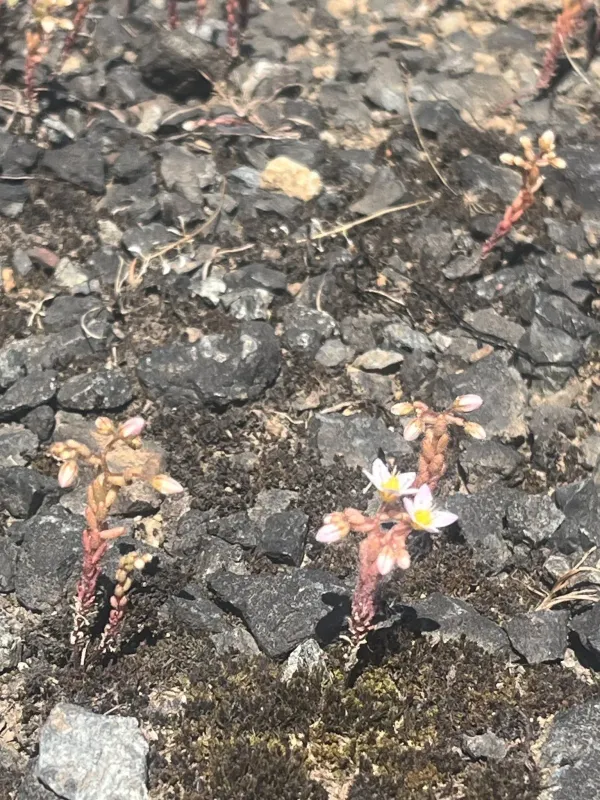
Description
Sowing dates
Sedum maireanum is a notable species within the Crassulaceae family, valued for its unique morphology and adaptation to arid environments.
The sowing process typically commences in late spring, ensuring that soil temperatures remain consistently above the threshold required for successful germination.
Due to the minuscule size of the seeds, they should be broadcast onto prepared soil surfaces without burial, allowing necessary exposure to sunlight for activation.
Soil preparation involves creating a loose, well-aerated structure to facilitate easy root penetration during the delicate initial stage of seedling development.
Strategic thinning is recommended once seedlings have established their first set of true leaves to prevent competition for resources and ensure vigorous growth.
Growing requirements
This crop thrives in environments characterized by full sun exposure, which is essential for maintaining the integrity and form of the succulent plant tissues.
The soil profile must be exceptionally well-drained; gravelly or sandy substrates are preferred to avoid the risk of moisture retention around the roots.
As a drought-tolerant species, the crop requires minimal supplemental irrigation, provided it is grown in environments that mimic its natural rocky habitats.
Temperature management is critical; the plant exhibits high tolerance to heat but necessitates low humidity to prevent rot in its succulent leaves and stems.
Minimal nutrient input is necessary for cultivation, as excessive nitrogen fertilization leads to rapid, weak growth prone to physiological disorders.
Main diseases and pests
The most prevalent threats include fungal pathogens such as Pythium and Rhizoctonia, which thrive in conditions of excessive soil moisture and poor drainage.
Pests like mealybugs represent a significant challenge, often hiding in the crevices of leaves where they extract sap and compromise plant vitality.
Aphids can cause deformation of new growth, requiring proactive monitoring and targeted applications of pest control measures when population thresholds are exceeded.
Slugs and snails frequently target the succulent tissue during periods of high ambient humidity, causing significant surface damage to the leaves.
Integrated pest management strategies focusing on cultural practices, such as optimizing plant spacing, remain the most effective method for controlling threats.