
Sedum lucidum
Sedum lucidum
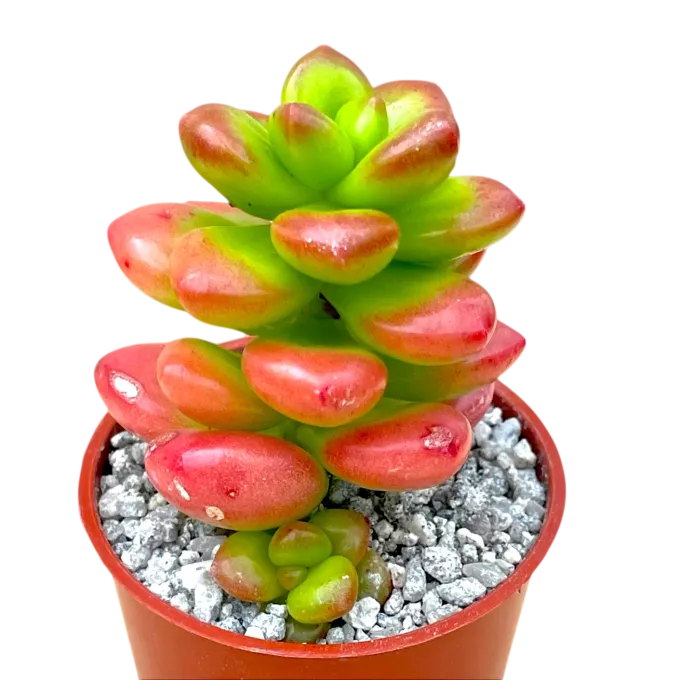
Description
Growing requirements
Sedum lucidum is a perennial succulent plant belonging to the Crassulaceae family. It is native to the rocky landscapes of Mexico, where it has adapted to survive in harsh, high-altitude conditions with minimal water availability.
This species is characterized by its glossy, fleshy leaves that often feature reddish margins when exposed to sufficient sunlight. It is a highly valued plant for rock gardens, container planting, and as a specialized crop for ornamental succulent nurseries.
The agricultural cultivation of Sedum lucidum requires excellent drainage. The substrate must be highly porous, consisting of inorganic components such as pumice, coarse sand, and perlite, which prevent root asphyxiation during wet weather.
The plant thrives in full sun, requiring at least 6–8 hours of direct light daily to maintain its compact growth habit. Low light levels lead to etiolation, where the stems stretch and the structural integrity of the plant is compromised.
Temperature management is crucial; the plant prefers a range between 18°C and 26°C. During the dormant winter season, it is recommended to keep the plant in cooler temperatures (around 10°C) with significantly reduced watering schedules.
Main diseases and pests
The most significant threats to Sedum lucidum are related to fungal pathogens, particularly root rot (Pythium and Phytophthora). These diseases are almost exclusively triggered by improper irrigation practices and poor drainage.
Mealybugs are the most common insect pests that plague these succulents. They cluster in the leaf axils and suck the sap, which weakens the plant and promotes the growth of sooty mold on the surface of the leaves.
Spider mites can also become an issue in low-humidity environments. Regular inspection of the plant's undersides is recommended to detect early infestations before they spread across the crop collection.
Chemical control involving systemic insecticides is effective against pests, while fungicides containing systemic agents can help manage fungal outbreaks if identified early enough.
- Use high-porosity potting mixes to ensure proper aeration.
- Implement drip irrigation systems that avoid wetting the foliage.
- Maintain adequate spacing between plants to improve airflow.