
Sedum lagascae
Sedum lagascae
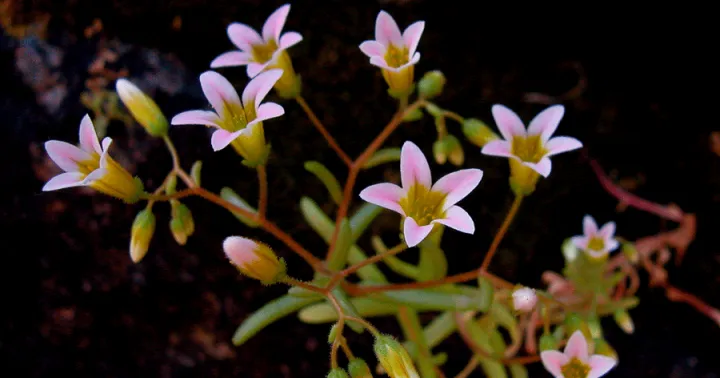
Description
Growing requirements
Sedum lagascae is a distinct member of the Crassulaceae family, originating primarily from the Iberian Peninsula. This succulent plant is perfectly adapted to harsh, rocky environments, showcasing remarkable resilience in poor soil conditions where many other plants fail to thrive.
The plant features small, fleshy leaves that store moisture, allowing it to survive extended periods of drought. It demands full sun exposure to maintain its compact, dense growth habit; otherwise, the stems may become leggy and less visually appealing.
Soil requirements for this species are centered on excellent drainage. It performs best in gritty, mineral-rich substrates that mimic its native mountain habitats. Waterlogging is the primary cause of failure, so incorporating gravel into the planting medium is highly recommended.
As a low-maintenance crop, Sedum lagascae does not require frequent fertilization. Over-feeding with organic matter can compromise its hardiness and lead to rapid, weak growth that is more susceptible to environmental stress and cold damage.
In landscaping, this species is highly valued for its ornamental utility in rock gardens, gravel beds, and as a low-growing ground cover. Its ability to create a living carpet of foliage makes it an essential component for sustainable and low-water garden designs.
Main diseases and pests
The most significant threat to Sedum lagascae is fungal infection caused by poor soil drainage and high humidity. Root rot can manifest quickly if the plants are situated in soil that retains moisture for too long, often leading to rapid plant death.
Aphids are the most common insect pests that attack this succulent, particularly during the active growing season. These insects colonize the tender tips and stems, extracting vital nutrients and potentially stressing the plant to a point of stagnation.
Mealybugs are also a persistent concern for many succulents, hiding in the junctions between leaves and stems. Their presence can be identified by a white, waxy substance, and they require prompt treatment with insecticidal soaps or systemic treatments.
Gastropods such as slugs and snails may graze on the fleshy foliage, especially in cool, moist weather conditions. Protective measures, including mulching with sharp grit or utilizing copper barriers, can effectively discourage these mollusks from damaging the plants.
Prevention remains the most effective strategy for managing threats. By ensuring adequate airflow, strict adherence to a dry-cycle watering routine, and routine monitoring of the foliage, growers can successfully maintain a healthy and vigorous Sedum lagascae population.