
Sedum laconicum
Sedum laconicum
Description
Sowing dates
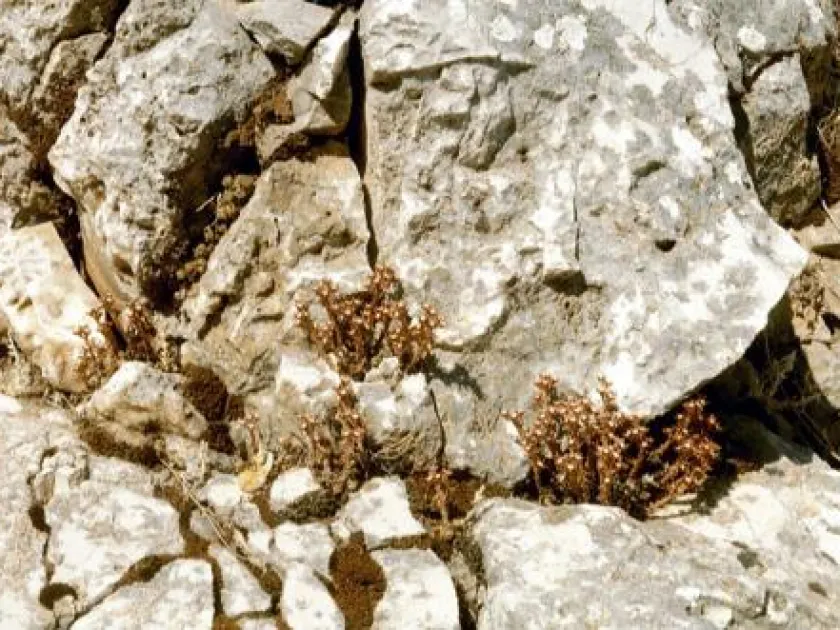
Sedum laconicum is a perennial herbaceous succulent belonging to the Crassulaceae family, valued for its ability to form dense, resilient ground mats in challenging environments.
Propagation is most efficiently achieved through vegetative means, such as cuttings or division of mature clumps, typically performed during the active growing season in spring.
Seed sowing is possible but less common; it requires a fine, well-draining substrate and warm temperatures (around 18-20°C) to facilitate successful germination of the microscopic seeds.
When transplanting into the final site, spacing of approximately 15 to 20 centimeters is recommended to allow the plant to spread effectively without excessive competition.
Early spring is the ideal time for planting, ensuring that the root system establishes firmly before the onset of extreme summer heat or winter cold.
Growing requirements
This crop thrives in well-draining, gritty, or rocky soils with a neutral pH, as it is highly adapted to substrates where other plants might struggle to survive.
Sedum laconicum requires full sun exposure to maintain its compact growth habit and vibrant leaf coloration, which are key characteristics of this species.
As a drought-tolerant succulent, it is capable of surviving long periods without rain, making it an excellent candidate for xeriscaping and low-maintenance agriculture.
Excessive moisture is the primary enemy of this plant, as waterlogged soil leads rapidly to root rot, which is the most frequent cause of crop failure in improper climates.
Minimal fertilization is required; however, a light application of a balanced, low-nitrogen fertilizer in early spring can boost vegetative growth for better ground coverage.
Main diseases and pests
Root rot caused by fungal pathogens in poorly drained soil is the most significant threat to the health and longevity of Sedum laconicum populations.
Common agricultural pests such as aphids and mealybugs can infest the succulent foliage, particularly when the plants are stressed by suboptimal environmental conditions.
Slugs and snails may feed on the tender stems and leaves, especially in damper climates or during seasons characterized by high humidity and frequent rainfall.
Botrytis or powdery mildew may occur in poorly ventilated areas where moisture remains trapped on the surface of the plants for extended periods of time.
Good air circulation, combined with strict adherence to watering schedules, is the most effective strategy for preventing the majority of disease and pest outbreaks.