
Sedum hybridum
Sedum hybrids
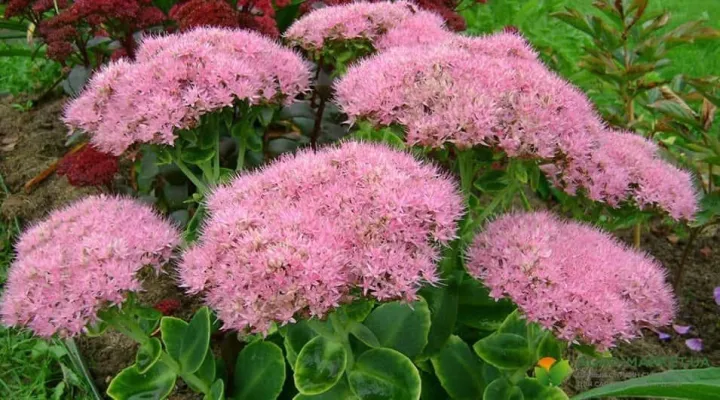
Description
Growing requirements
Sedum hybridum is a perennial ground cover plant belonging to the Crassulaceae family. It is widely recognized for its robust nature, originating from the mountainous regions of Siberia and Mongolia, which makes it highly adaptable to extreme temperatures.
This succulent is characterized by its creeping stems and fleshy, evergreen leaves that store moisture. This structural adaptation allows the plant to thrive in arid conditions where other species would fail, providing excellent soil coverage throughout the year.
The plant thrives in full sun but maintains good health in partial shade. It demands well-drained, porous soil, as stagnant water is the primary cause of plant death. Sandy or stony soils are considered optimal for its cultivation in residential or commercial landscaping.
In terms of agricultural and horticultural use, Sedum hybridum is an essential component for erosion control on slopes and for low-maintenance landscaping. Its ability to create dense mats suppresses unwanted weeds, reducing the need for chemical herbicides.
Hardiness is one of its most valuable traits, as it can withstand freezing winters without special protection. Maintenance requirements are minimal, primarily involving periodic cleaning of dead foliage and ensuring that the planting site remains well-drained.
Main diseases and pests
Root and stem rot caused by waterlogging is the most critical threat to this species. To mitigate this risk, soil amendment with gravel or sand is highly recommended during the initial planting phase to enhance permeability.
Pests such as aphids and leaf miners may occasionally infest the plants, particularly in nutrient-rich or overly humid environments. Using mild systemic insecticides or natural soaps can effectively manage these populations without damaging the plant tissue.
Fungal diseases like powdery mildew may emerge if the plant density becomes too high or if air circulation is insufficient. Regular spacing during planting and the removal of decaying biomass are fundamental practices for preventing outbreaks.
Gastropods, including snails and slugs, can cause aesthetic damage to succulent leaves during wet spells. Implementing physical barriers or organic pest control measures helps in preserving the integrity of the succulent ground cover.
Improper fertilization practices often lead to weakness in the plants. Because these are succulents, they require very low amounts of fertilizer, as overfeeding promotes rapid, etiolated growth that is significantly more susceptible to mechanical damage and pests.