
Spindle-leaved stonecrop
Sedum fusiforme
Description
Growing requirements
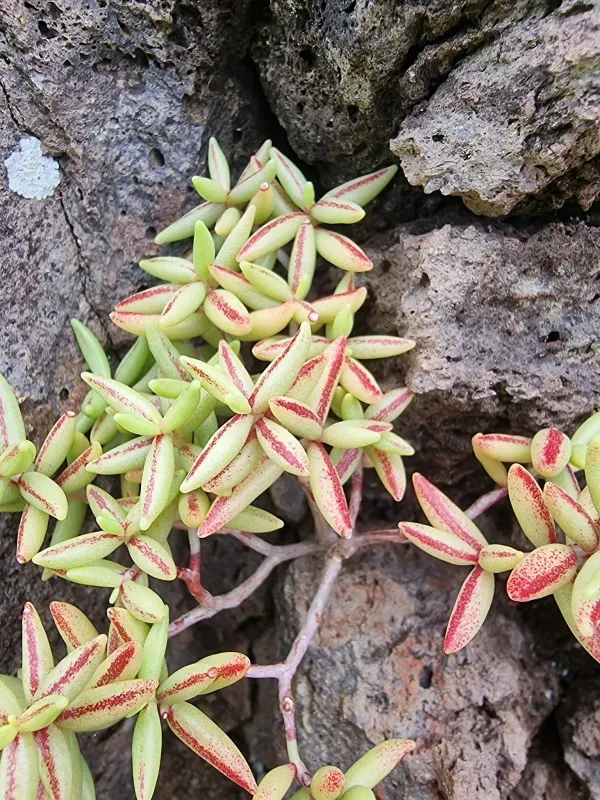
Spindle-leaved stonecrop (Sedum fusiforme) is a perennial herbaceous plant belonging to the Crassulaceae family. It is recognized for its unique spindle-shaped, fleshy leaves that serve as water storage organs, allowing the plant to thrive in arid environments.
The species naturally occurs in mountainous and rocky terrains. For optimal growth in an agricultural setting, it requires well-lit conditions with full exposure to sunlight to maintain its structural integrity and metabolic health.
Soil requirements focus on excellent aeration and drainage. Sandy or stony soils are preferred, as they prevent the accumulation of excess water around the roots, which is the primary cause of plant death for this species.
Climatically, the crop is adaptable to various temperature fluctuations but requires protection from prolonged high humidity, especially when combined with cool or freezing temperatures.
Economically, Sedum fusiforme is utilized in erosion control, landscape restoration, and as a low-maintenance crop for regions unsuitable for more water-demanding vegetation.
Main diseases and pests
The main threats to the health of the stonecrop include root rot and fungal infections, which are almost exclusively triggered by poor drainage and excessive irrigation practices.
Pests such as aphids and vine weevils represent common agricultural challenges, potentially damaging the succulent tissue and reducing the overall vitality of the crop population.
Integrated pest management strategies should focus on ensuring adequate air circulation around the plants to prevent the establishment of moist microclimates favorable to fungi.
Chemical control, when necessary, involves the application of selective fungicides and systemic insecticides applied during the active vegetative growth phase of the plant.
Maintaining a weed-free environment is essential for the crop's long-term success, as invasive species can rapidly outcompete stonecrop for nutrients and available sunlight.