
Sedum fragrans
Sedum fragrans
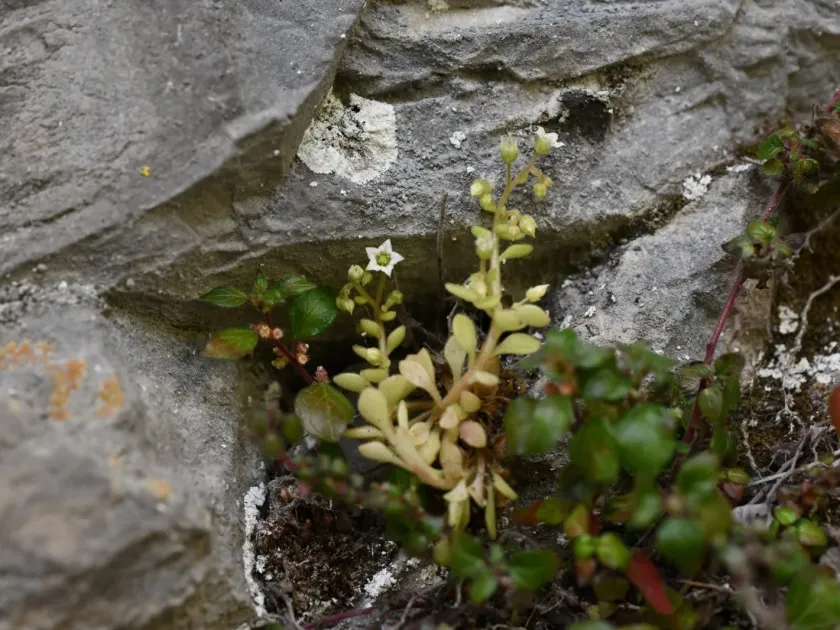
Description
Growing requirements
Sedum fragrans is a perennial herbaceous plant belonging to the Crassulaceae family. This species is distinguished by its subtle, pleasant fragrance, which is a rare trait among various Sedum varieties, making it a unique botanical specimen.
Originating from rocky, mountainous regions, the plant has evolved to thrive in harsh environments. It utilizes its thickened, succulent leaves to store water, allowing it to withstand long periods of drought that would be fatal to other vegetation.
For successful cultivation, the crop requires well-draining, sandy or gritty soil types. It is essential to avoid waterlogged conditions, as the root system is highly susceptible to rot when exposed to stagnant moisture for extended durations.
The plant demands high levels of solar exposure to maintain its compact growth habit and vibrant coloration. Inadequate lighting results in etiolation, where the plant stems become elongated and structurally weak, diminishing its ornamental and physiological health.
In terms of economic and landscaping use, Sedum fragrans is highly valued as a groundcover for rock gardens, xeriscaping projects, and green roofs. Its ability to grow in poor soils with minimal input makes it an excellent choice for sustainable landscape architecture.
Main diseases and pests
The primary threats to Sedum fragrans are related to moisture management. Root rot, caused by fungal pathogens in wet, poorly aerated soil, represents the most significant danger to the longevity of the plant population.
Powdery mildew is a common issue when atmospheric humidity is consistently high and air circulation is insufficient. Improving airflow around the plants and ensuring proper spacing between individuals are key preventive agronomic practices.
Pests such as aphids can cause damage during the spring growth phase by feeding on soft succulent tissues. Early detection and the application of targeted, low-toxicity insecticides are recommended to maintain plant vigor.
Root-knot nematodes can occasionally infest the root system, causing stunted growth and chlorosis. To prevent this, growers should only source certified disease-free material and practice crop hygiene in their nursery or garden settings.
Gastropods, including slugs and snails, are frequent visitors that graze on the succulent leaves. Installing physical barriers like crushed stone or coarse sand around the base of the plants effectively deters these pests and prevents damage to the foliage.