
Sedum formosanum
Sedum formosanum
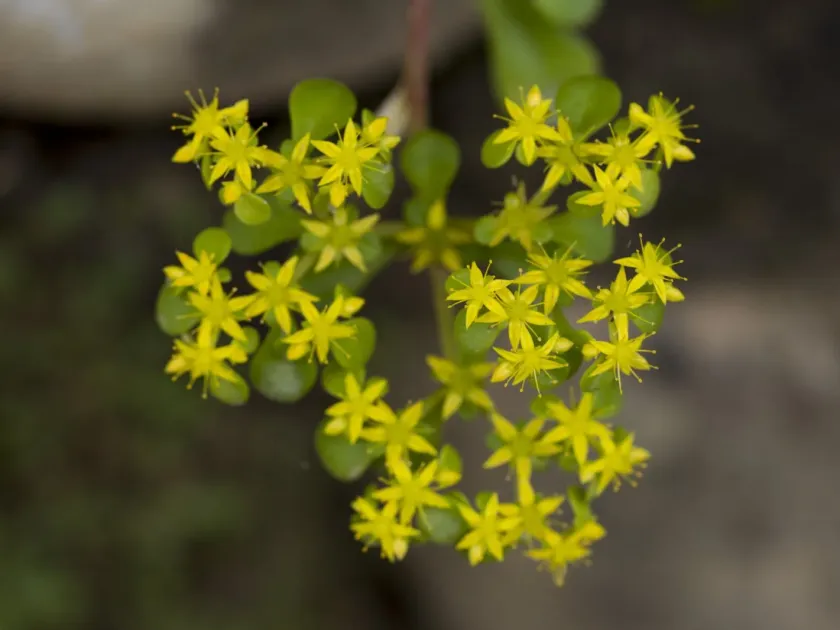
Description
Growing requirements
Sedum formosanum, commonly known as the Formosan stonecrop, is a succulent plant within the Crassulaceae family. Native to coastal regions of East Asia, including Taiwan and Japan, it has evolved to thrive in rocky, well-draining, and nutrient-poor habitats.
Botanically, it is characterized by its succulent, spatulate leaves that grow in clusters along trailing stems. The plant is a prostrate perennial, capable of rooting at the nodes, which makes it an excellent groundcover in suitable climatic zones.
The cultivation of this species requires high solar exposure to maintain its compact form and vibrant leaf color. Inadequate light results in etiolation, where the stems become weak, elongated, and prone to mechanical damage.
The soil must be light and exceptionally well-draining. A mix of sand, perlite, and coarse grit is ideal for container growth or rock gardens. Because the plant stores water in its tissues, overwatering is the most common cause of failure in its cultivation.
Climate requirements include warm temperatures throughout the growing season. While it is hardy in Mediterranean-like climates, it is sensitive to severe frost. In colder regions, it is best managed as a seasonal outdoor plant or a permanent houseplant.
Main diseases and pests
Fungal diseases, particularly stem rot, are the primary threats to the health of Sedum formosanum. These issues almost exclusively arise from stagnant water in the soil or poor air circulation around the foliage.
Mealybugs are the most persistent insect pests, often hiding in the crevices between succulent leaves. They can weaken the plant by feeding on its sap, necessitating the use of systemic pesticides or manual removal with alcohol-soaked swabs.
Slugs and snails can cause significant damage to the plant if it is grown in humid outdoor environments. Utilizing barriers such as crushed eggshells or copper tape can help deter these pests from consuming the succulent foliage.
Preventative measures are essential for long-term health. Ensuring the substrate dries out completely between waterings and providing ample ventilation are the two most important cultural practices to avoid pathogens.
Regular monitoring for discoloration or soft spots on the stems allows for quick intervention. If rot is detected, the affected areas must be removed immediately, and the remaining healthy parts can be propagated as cuttings to sustain the population.